In the 1940s, ladies footwear danced through a world of change. War shaped practicality, yet women’s shoes sparkled with style. From chunky heels to elegant pumps, 1940s ladies footwear told stories of resilience and glamour. These shoes weren’t just fashion; they mirrored a decade of grit and grace. Imagine slipping into a pair of peep-toe heels, feeling the spirit of a bygone era. This blog post takes you on a storytelling journey through the iconic designs, materials, and cultural shifts of 1940s women’s shoes. Join me as we uncover the magic of vintage footwear and why it still captivates hearts today.
The Historical Backdrop of 1940s Ladies Footwear
The 1940s were turbulent, with World War II reshaping daily life. Rationing limited materials like leather, pushing designers to innovate. Women’s shoes became symbols of adaptability. According to the National Museum of American History, leather shortages led to creative alternatives like cork and wood for soles. Despite constraints, women craved style, balancing utility with elegance.
Shoes reflected societal roles. Working women needed sturdy footwear for factories, while socialites sought glamour for evening events. The era’s footwear blended function and flair, showcasing women’s strength. My grandmother once shared how she treasured her wedge heels, worn proudly during wartime dances. These stories remind us how 1940s ladies footwear wasn’t just about fashion—it carried personal and cultural weight.
Iconic Styles of 1940s Women’s Shoes
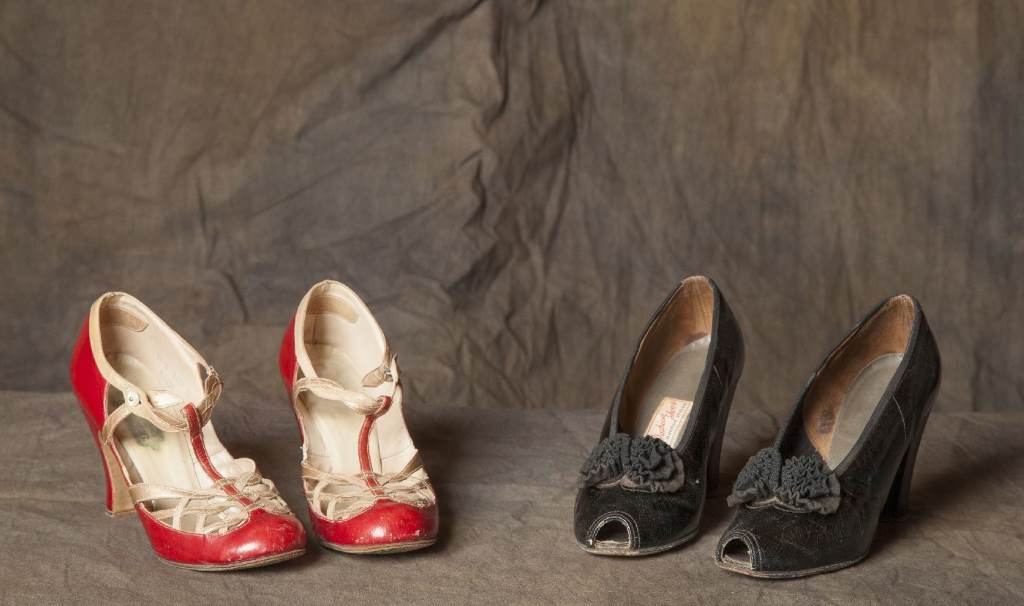
The 1940s introduced timeless shoe designs. Wedges, with their solid heels, offered stability and style. Peep-toe pumps added a flirty touch, perfect for dancing. Platform shoes gained popularity, elevating women’s silhouettes. Each style had a purpose, blending practicality with charm.
Wedges were a wartime favorite, using less leather than traditional heels. Peep-toes, often paired with seamed stockings, exuded sophistication. According to a 2012 study by the Fashion Institute of Technology, platform shoes surged in popularity, with heights reaching up to two inches. These designs weren’t just trendy; they defined an era. I recall trying on a pair of vintage peep-toes at a thrift store, feeling like a 1940s starlet. Their elegance endures, inspiring modern designers.
Key Styles of 1940s Ladies Footwear
- Wedges: Sturdy, stylish, and material-efficient, ideal for wartime.
- Peep-Toe Pumps: Flirty and feminine, often worn with stockings.
- Platforms: Bold and elevated, adding height and drama.
Materials and Innovations in 1940s Footwear
Rationing forced creativity in shoe production. Leather was reserved for military use, so designers turned to alternatives. Cork, wood, and fabric became common. Reptile skins, less regulated, added luxury to high-end designs. These materials shaped unique aesthetics, making 1940s ladies footwear distinct.
Innovations like synthetic fabrics emerged. Rayon and early plastics mimicked leather, offering affordability. However, durability was a challenge. A 1940s Sears Catalog, archived by the Library of Congress, shows cork-soled wedges priced at $2.98, highlighting accessibility. My great-aunt once mentioned stitching her fabric shoes to extend their life, a testament to resourcefulness. These innovations laid the groundwork for modern footwear, proving necessity sparks creativity.
Cultural Influences on 1940s Women’s Shoes
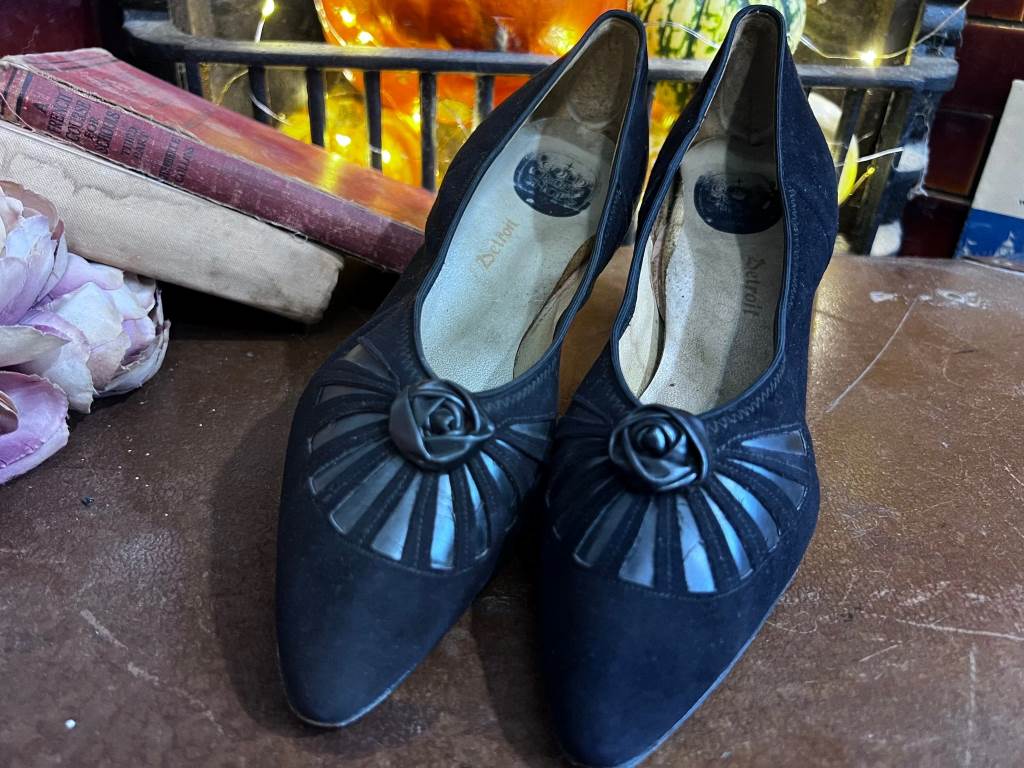
Hollywood glamour shaped 1940s footwear trends. Stars like Rita Hayworth wore peep-toes, inspiring everyday women. Dance culture, fueled by swing and jitterbug, demanded sturdy yet stylish shoes. Fashion magazines like Vogue promoted elegant designs, despite wartime austerity.
Shoes also reflected patriotism. Red, white, and blue accents symbolized support for the war effort. Additionally, women in uniform wore practical oxfords, blending style with duty. These cultural shifts made 1940s ladies footwear a canvas for expression. I remember my mother describing her first dance in platform heels, twirling to big band music. Such moments highlight how shoes connected women to their era’s spirit.
The Role of Women and Footwear in the 1940s
Women’s roles evolved rapidly in the 1940s. Many joined the workforce, needing practical shoes for long shifts. Oxfords and low-heeled pumps became workplace staples. Yet, evenings called for glamour, with heels symbolizing femininity. This duality defined 1940s ladies footwear.
Shoes empowered women. A pair of wedges could carry a woman from factory to dance floor, reflecting her versatility. According to the Bureau of Labor Statistics, women’s workforce participation rose by 50% during the war, influencing footwear demands. My cousin once found a pair of 1940s oxfords in her attic, worn by her grandmother during factory work. These shoes weren’t just functional; they embodied strength and independence.
Why 1940s Footwear Still Inspires Today
The charm of 1940s ladies footwear endures. Modern designers draw from wedges and peep-toes, blending vintage with contemporary. Sustainable fashion also echoes the era’s resourcefulness, using recycled materials. The timeless elegance of 1940s shoes captivates collectors and fashion enthusiasts alike.
Vintage footwear connects us to history. Wearing a pair of 1940s heels feels like stepping into a story. I once wore reproduction wedges to a retro event, earning compliments and sparking conversations. These shoes aren’t just fashion; they’re a bridge to the past.
Conclusion
The allure of 1940s ladies footwear lies in its blend of style and resilience. From wedges to peep-toes, these shoes carried women through war, work, and dance floors. They symbolized strength, glamour, and ingenuity, leaving a lasting legacy. Today, their timeless designs inspire fashion and connect us to a vibrant era. Whether you’re a vintage enthusiast or curious about history, 1940s women’s shoes offer stories worth exploring. Share your thoughts or a vintage footwear story in the comments below, or spread the love by sharing this post with fellow fashion lovers!
FAQs
What Were the Most Popular 1940s Ladies Footwear Styles?
Wedges, peep-toe pumps, and platforms were iconic, balancing style and practicality during wartime.
Why Did 1940s Shoes Use Alternative Materials?
Rationing limited leather, so designers used cork, wood, and fabric to create affordable footwear.
How Did Hollywood Influence 1940s Footwear Trends?
Stars like Rita Hayworth popularized peep-toes, inspiring women to embrace glamorous styles.
Are 1940s Shoes Still Worn Today?
Yes, modern designers recreate wedges and peep-toes, and vintage enthusiasts collect original pairs.
Where Can I Learn More About 1940s Footwear?
Explore American Duchess or the Fashion Institute of Technology for historical insights.