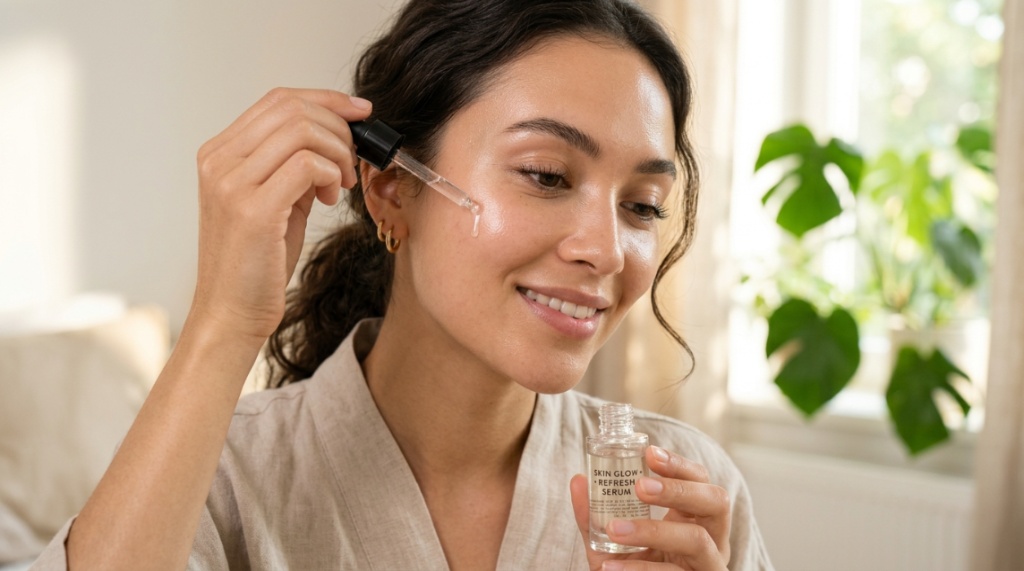
You’ve heard the hype: vitamin C serums can brighten your skin, fade dark spots, and fight free radicals. But when you scan the beauty aisle, prices range from $10 to $200. The confusion is real. You want results, not a glossy label. The good news? You do not need to break the bank to get a stable, effective formula. This guide will teach you exactly how to spot a high-quality affordable vitamin c serum that actually works, without falling for marketing traps.
What Makes a Vitamin C Serum Effective on a Budget?
The Science Behind the Ingredient
The gold standard form of vitamin C in skincare is L-Ascorbic Acid. This is the only form proven to stimulate collagen production and inhibit melanin synthesis. However, it is also notoriously unstable. It oxidizes when exposed to light, air, or water, turning brown and losing its potency. An effective affordable serum must solve this stability problem without expensive packaging gimmicks.
Formulation Matters More Than Price
A $15 serum can outperform a $100 serum if the formulation is correct. Look for a product that contains L-Ascorbic Acid in a concentration of 10% to 20%. Lower than 10% is often ineffective. Higher than 20% causes irritation without added benefit. The base formula should also contain Vitamin E (Tocopherol) and Ferulic Acid. This trio stabilizes the vitamin C and boosts its antioxidant power by up to eight times.
Packaging Clues for Freshness
Ignore pretty glass bottles that let light through. You want an airless pump or a dark, opaque bottle. Dropper bottles expose the serum to air every time you open them. This accelerates oxidation. If a budget brand uses a sealed airless pump, they understand the science. That is a green flag.
Why Do Some Cheap Serums Turn Yellow or Brown?
Oxidation vs. Natural Color
Many affordable serums are clear or very pale yellow when fresh. If your serum turns deep amber or brown right after opening, it has already oxidized. This means the active ingredient has degraded. Check the manufacturing date on the box. A serum that is six months old might already be useless, even if unopened.
The Role of Water Content
Vitamin C dissolves in water. If a cheap serum uses too much water and not enough stabilizing agents, it oxidizes quickly. Some budget brands use sodium ascorbyl phosphate or ascorbyl glucoside instead of pure L-Ascorbic Acid. These are more stable but less potent. They are acceptable if you have sensitive skin, but do not expect dramatic brightening results quickly.
How to Test Freshness at Home
Before buying online, read recent customer reviews that mention the color of the liquid. Look for photos. If multiple reviewers show a brown liquid, the brand has a storage or formulation problem. Buy from stores with high turnover so the stock is fresh,While building a solid skincare routine with the best affordable vitamin c serum can transform your complexion, maintaining your overall personal care also extends to your hair. If you are dealing with seasonal changes or stress, check out this guide on how to stop hair shedding fast to keep your locks just as healthy.
How to Read the Ingredient List Like an Expert
Position of Vitamin C on the Label
Ingredients are listed by concentration, from highest to lowest. For an affordable vitamin c serum, L-Ascorbic Acid should be near the top, ideally within the first five ingredients. If it appears after water, glycerin, or a long list of botanical extracts, the concentration is likely below 5%, which will not deliver visible results.
Supporting Ingredients That Add Value
Look for these budget-friendly co-stars that enhance performance:
- Hyaluronic Acid: Boosts hydration and reduces irritation.
- Vitamin E: Stabilizes the C and moisturizes.
- Ferulic Acid: Extends the life of the serum.
- Niacinamide: Complements brightening but check pH compatibility.
Ingredients to Avoid in Cheap Serums
Watch out for these red flags:
- Fragrance: Can cause irritation and degrade the formula.
- Alcohol denat: Dries out skin and disrupts the barrier.
- Chelating agents: Necessary but cheap formulas often overdose on them, causing sting.
Which Concentration Is Best for Your Skin Type?
10% L-Ascorbic Acid for Sensitive Skin
If you are new to vitamin C or have redness-prone skin, start at 10%. This concentration provides noticeable brightening without overwhelming your barrier. You will see results in about 8–12 weeks. Look for a serum that also contains aloe vera or panthenol to soothe.
15% L-Ascorbic Acid for Normal to Combination Skin
This is the sweet spot for most people. It is strong enough to fade sunspots and uneven tone in 4–6 weeks, yet mild enough for daily use. Affordable serums at this concentration often use ferulic acid to reduce irritation. If you can tolerate this, you do not need to go higher.
20% L-Ascorbic Acid for Oily or Resilient Skin
Only choose 20% if you have used vitamin C before without stinging or breakouts. This concentration can be drying. Pair it with a rich moisturizer. Budget serums at this level must be used quickly, within 3 months of opening, because oxidation happens faster.
Can You Trust Affordable Brands from Amazon or Drugstores?
The Good and the Bad of Online Marketplaces
Yes, many legitimate brands sell through Amazon and drugstores. However, counterfeits exist. Only buy from official brand stores or Fulfilled by Amazon with direct manufacturer authorization. Check the brand’s official website to see if they list Amazon as an authorized retailer. If not, skip it.
Drugstore Brands That Prioritize Science
Major drugstore brands like The Ordinary, CeraVe, and Vanicream have invested in stable vitamin C formulations. They use controlled supply chains and batch testing. These brands often publish their pH levels (ideally between 3.0 and 3.5 for L-Ascorbic Acid), which indicates scientific rigor. Trust brands that share this data.
What to Do If You Get a Bad Batch
Even good brands have occasional quality issues. If your serum arrives brown, smells metallic, or stings severely, request a refund immediately. Most reputable budget brands have good return policies. Document the color with a photo and contact customer service.
When Should You Apply Vitamin C Serum in Your Routine?
Morning Application for Best Protection
Vitamin C is not a sunscreen, but it boosts the effectiveness of SPF. Apply it after cleansing, before moisturizer, and before sunscreen. Wait 30 seconds for it to absorb. This creates a powerful shield against UV and pollution damage. For an affordable vitamin c serum, morning use gives the best return on investment.
Evening Use for Repair and Brightening
If you prefer to use it at night, combine it with a gentle moisturizer. Do not use it with strong exfoliants like glycolic acid in the same session unless you have tough skin. The combo can cause stinging. Alternate nights if you want both.
Frequency for Best Results
Use it once daily, every day. Consistency matters more than concentration. Skipping days slows progress. A serum that costs $15 and lasts 3 months is better than a $50 serum you use twice a week.
How to Store an Affordable Vitamin C Serum to Extend Its Life
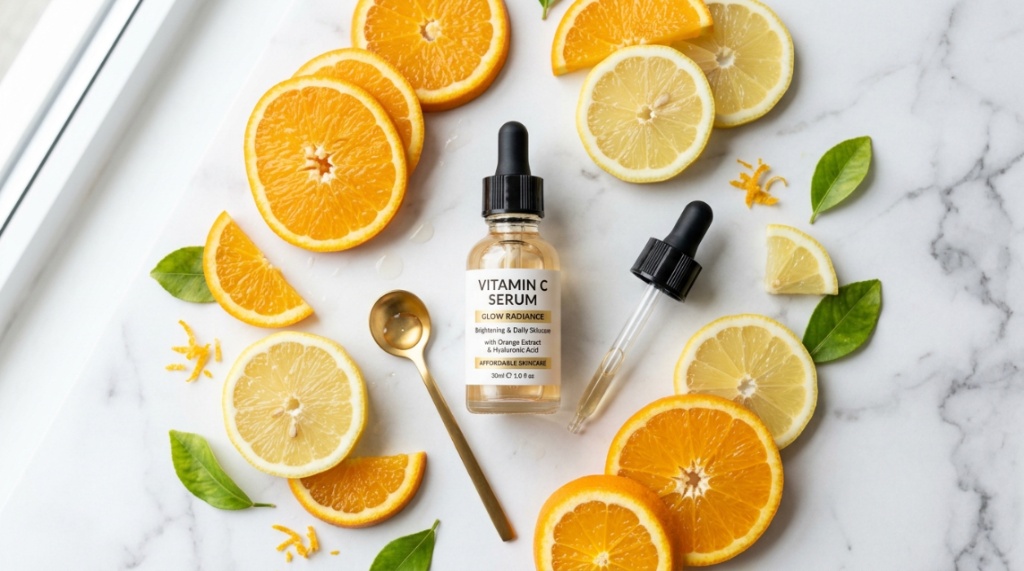
Keep It in the Fridge
The biggest enemy of vitamin C is heat. Storing your serum in the refrigerator can double its shelf life. The cold slows oxidation. Only take it out long enough to apply three drops. This is especially important for budget serums that lack expensive preservative systems.
Never Shake the Bottle
Shaking introduces air bubbles, which accelerate oxidation. Gently roll the bottle between your palms if you need to mix the formula. Never pump air in and out. If you use a dropper, do not touch your skin with the dropper tip. Contamination kills potency fast.
Replace Every 3 Months
Even with perfect storage, an affordable vitamin C serum loses effectiveness after 3 months. Write the opening date on the bottle with a marker. If you finish a bottle in 8 weeks, you used enough product to see results. If it lasts 6 months, you might be under-applying.
What Results Should You Expect from a Budget Serum?
Timeline for Visible Brightening
Within 2 weeks, you might notice smoother texture and a subtle glow. True spot fading and evening of skin tone take 6 to 12 weeks. Be patient. If after 8 weeks you see zero change, the serum was either too weak or oxidized before you used it. Try a different brand.
Realistic Expectations for Dark Spots
Vitamin C is not a laser. It lightens spots gradually. Deep melasma or stubborn sun damage may require clinical treatments. But for general dullness and mild hyperpigmentation, a consistent affordable serum can deliver 30–50% improvement. That is a win for $15–$25.
Signs the Serum Is Working
Look for these positive changes:
- Skin looks less tired in the morning.
- Makeup applies more evenly.
- Sunburns from previous days heal faster.
- Fine lines look slightly plumper.
The Simple Test to Check If Your Serum Is Still Good
The Color Test
Fresh serum is clear, pale yellow, or slightly milky. If it has turned dark brown, orange, or has visible particles, throw it away. Using oxidized serum can cause irritation and may even stain your skin temporarily.
The Smell Test
Vitamin C in water smells slightly metallic or like rusty pennies. That is normal. But if it smells sour, like rotten fruit or vinegar, it has gone bad. Do not use it.
The Skin Test
Apply a small amount behind your ear. If it stings or burns within 30 seconds, the pH might be off, or the serum might be contaminated. A gentle serum should feel slightly tingly but not painful. Trust your skin’s feedback.
If you want a curated selection of tried-and-true options that balance science and savings, check this list of the affordable vitamin c serum recommendations that have been tested for freshness and stability.
Frequently Asked Questions
Can I use vitamin C serum every day?
Yes, once daily is ideal. Consistency is key. If your skin feels irritated, reduce to every other day until it adjusts. Do not skip days once it tolerates the product.
How long does an affordable vitamin C serum last after opening?
Most budget serums last 2 to 3 months after opening if stored in a cool, dark place. Refrigeration can extend this to 4 months. Always check the color before each use.
Can I mix vitamin C serum with moisturizer?
You can, but it dilutes the concentration and reduces effectiveness. Apply the serum to clean, damp skin first, wait 30 seconds, then apply moisturizer. This preserves the potency.
What is the difference between L-Ascorbic Acid and derivatives?
L-Ascorbic Acid is the pure active form that works fastest. Derivatives like ascorbyl glucoside are more stable but weaker. If you want dramatic results, choose L-Ascorbic Acid. For sensitive skin, derivatives are a gentler option.
Do I still need sunscreen if I use vitamin C serum?
Absolutely. Vitamin C boosts sunscreen protection but does not replace it. You still need SPF 30 or higher every day. Together, they provide powerful defense against photoaging.
Can vitamin C serum cause purging?
Vitamin C does not cause purging like retinoids or acids. If you see new breakouts within days, the serum might be irritating your skin or contain comedogenic oils. Discontinue use and check the ingredient list.
Are expensive serums really better than affordable ones?
Not necessarily. The key factors are concentration, pH, and freshness. Many prestige brands charge for packaging and marketing. You can get identical or better results from a well-formulated affordable serum that uses proper stabilization technology.
Final Verdict: You Can Afford Great Skin
Choosing an affordable vitamin C serum does not mean settling for second best. The science is clear: you need a stable form of L-Ascorbic Acid, a supportive formula with vitamin E and ferulic acid, and proper storage. Ignore the hype around luxury bottles. Focus on the ingredient list, the concentration, and the freshness. Start with a 10% or 15% concentration from a transparent brand that publishes its pH data. Use it daily in the morning under sunscreen. You will see real changes in brightness and texture within 6 to 8 weeks. The best serum is the one you can consistently afford and apply without guilt or hesitation. Your skin does not need a designer label. It needs consistent science in a bottle you trust.