The kimono, a symbol of Japanese culture, captivates with its intricate historical kimono layering techniques. These methods, steeped in tradition, showcase artistry and social nuance. Imagine a woman in ancient Kyoto, carefully draping vibrant silk layers to reflect her status and the season. Each fold tells a story of elegance and precision. Historical kimono layering techniques blend aesthetics with meaning, creating a wearable masterpiece. This blog post unravels these techniques, guiding you through their history and application. Whether you’re a fashion enthusiast or curious about Japanese heritage, join me on this journey to explore the delicate art of kimono layering. Let’s dive into a world where fabric becomes poetry.
The Origins of Kimono Layering
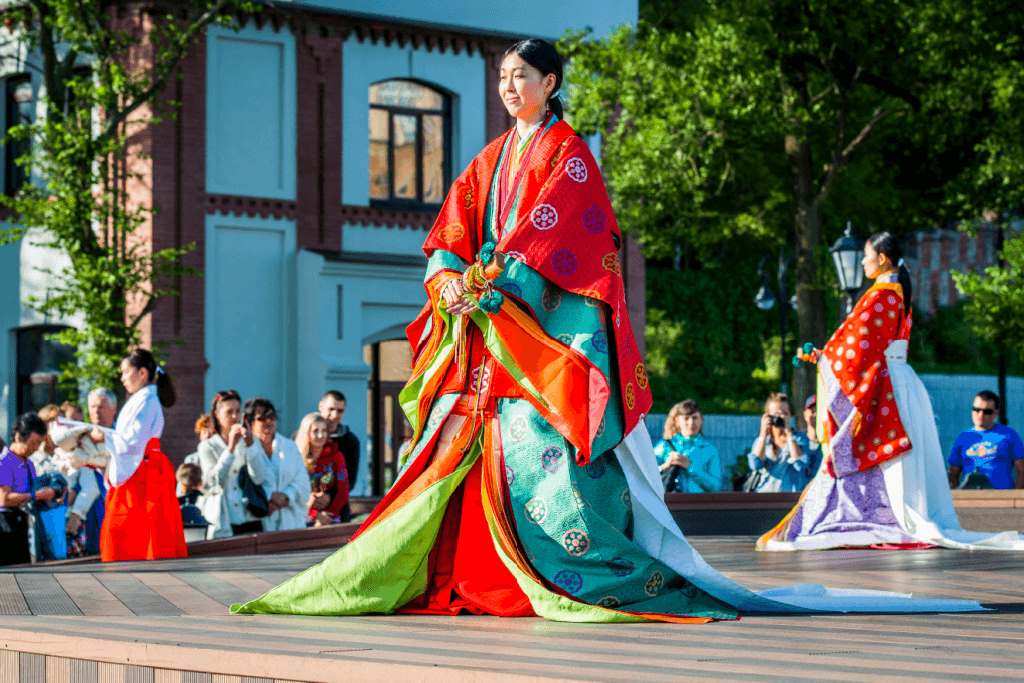
Historical kimono layering techniques, known as kasane no irome, emerged during Japan’s Heian period (794–1185). Noblewomen layered multiple kimonos to display wealth and sophistication. Colors and combinations reflected seasons, social rank, and occasions. According to a study by the Kyoto Costume Institute, layering could involve up to 20 garments, each chosen for its hue and texture. This practice was both functional, providing warmth, and symbolic, showcasing cultural refinement.
The technique required precision. Each layer, slightly visible at the collar or hem, created a gradient effect. For example, spring ensembles might blend soft pinks and greens, mimicking cherry blossoms. I recall visiting a Kyoto museum, marveling at a preserved Heian kimono set, its layers whispering tales of ancient courts. These techniques laid the foundation for kimono artistry, influencing modern fashion. Explore more at The Kyoto Costume Institute.
Key Elements of Historical Kimono Layering Techniques
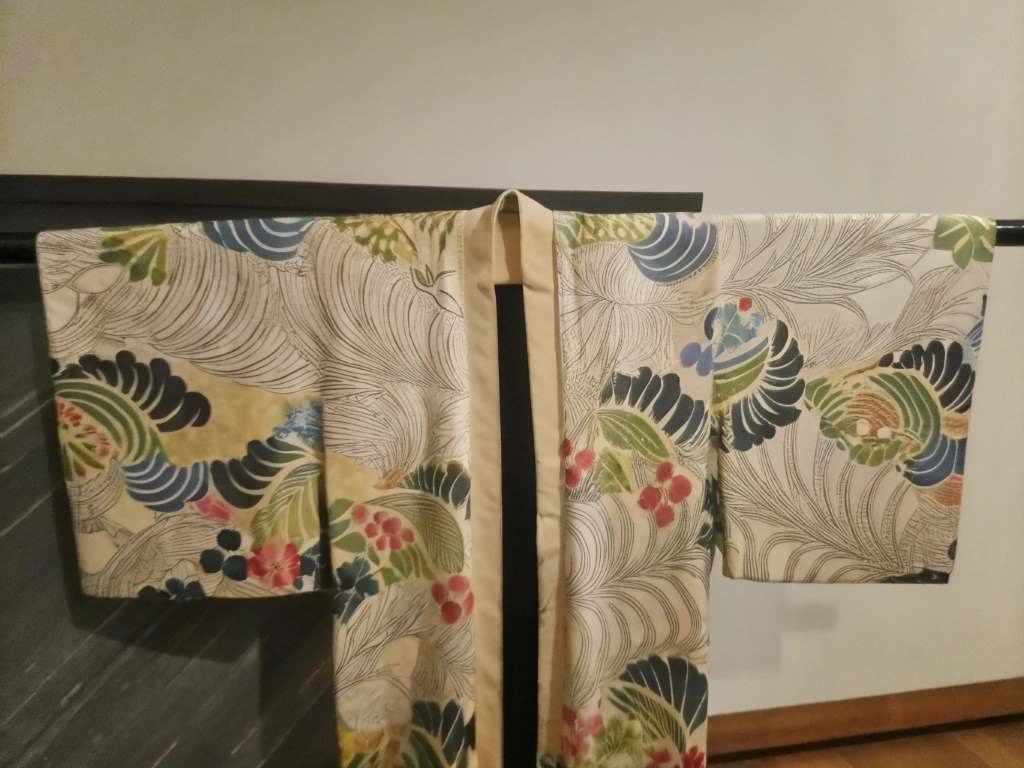
Historical kimono layering techniques hinge on three elements: color, fabric, and alignment. Colors were chosen based on seasonal palettes, with combinations like red and purple symbolizing autumn. Fabrics, often silk, varied in weight and sheen to create depth. Alignment ensured each layer peeked out subtly, forming a harmonious cascade. A 2019 report by the Japan Textile Federation notes that silk was preferred for its dye-absorbing qualities, enhancing vibrant layering.
Practically, layering required skill. Women adjusted layers to balance aesthetics and comfort, especially in humid summers. I once tried on a layered kimono at a cultural workshop; the weight of the silk felt regal yet grounding. Transitioning to modern times, these elements inspire designers globally. However, mastering this art demands patience and an eye for detail, making it a timeless craft.
Seasonal Influences on Layering
Seasonal changes deeply influenced historical kimono layering techniques. Each season dictated specific color palettes and fabric choices. Spring favored pastels like pink and lavender, while winter embraced deeper blues and grays. According to the Tokyo National Museum, seasonal motifs, such as plum blossoms or snowflakes, were woven into outer layers for symbolic harmony. Layering also provided practical warmth in colder months.
Women adjusted the number of layers based on weather. Summer might feature lighter, unlined kimonos, while winter ensembles could include padded layers. During a tea ceremony in Osaka, I noticed how the host’s kimono reflected autumn with its burnt orange and gold hues. This seasonal sensitivity ensured both beauty and functionality. Therefore, understanding these influences offers insight into the kimono’s enduring adaptability.
Common Seasonal Color Combinations
- Spring: Soft pink, light green, and pale yellow for a fresh look.
- Summer: White, light blue, and mint green for coolness.
- Autumn: Deep red, orange, and gold to echo falling leaves.
- Winter: Navy, gray, and white for a crisp, elegant style.
Social Significance of Layering
Historical kimono layering techniques were more than fashion; they signaled social status. During the Heian period, the number of layers and their quality indicated rank. Noblewomen of higher status wore more layers, often with intricate embroidery. A study by the Japan Cultural Research Institute highlights that court ladies used layering to communicate identity and allegiance without words. This made kimonos a social language.
Layering also reflected personal expression. Women chose colors to convey emotions or affiliations. I remember a guide in Nara explaining how a noblewoman’s kimono could hint at her family’s alliances. However, these displays required wealth, as silk was costly. Today, this social aspect inspires modern kimono enthusiasts to experiment with layering, blending tradition with personal beauty and style.
Techniques for Perfect Layering
Mastering historical kimono layering techniques involves precise steps. First, the base layer, a nagajuban (undergarment), ensures comfort and modesty. Next, multiple hitoe (unlined kimonos) are added, each slightly shorter to reveal underlying colors. The outer uchikake adds grandeur, often richly decorated. Alignment is key; collars and hems must align perfectly for a polished look. The Kyoto Costume Institute notes that skilled dressers could layer up to 12 kimonos in under an hour.
Practically, weights and sashes secure layers. I tried this at a kimono workshop, struggling to keep layers even but feeling elegant once complete. Transitioning to modern use, simplified layering techniques make this art accessible. These steps ensure the kimono’s timeless beauty shines through.
Steps for Kimono Layering
- Wear a nagajuban for a smooth base.
- Add hitoe layers, ensuring color harmony.
- Secure with an obi sash for stability.
- Finish with an uchikake for elegance.
Modern Adaptations of Kimono Layering
Today, historical kimono layering techniques inspire fashion globally. Designers incorporate layered aesthetics into dresses and coats, blending Japanese tradition with modern cuts. For instance, brands like Issey Miyake use lightweight fabrics to mimic kimono layering’s fluidity. A 2022 fashion report by WGSN notes that 30% of high-end designers draw from kimono aesthetics, emphasizing layering’s global appeal.
Modern enthusiasts adapt layering for casual wear, using fewer layers for practicality. I once saw a Tokyo street fashion event where young women paired kimono-inspired jackets with jeans, creating a fresh look. Additionally, layering techniques appear in cosplay and bridal fashion, preserving their cultural essence. This evolution ensures the art remains relevant, inviting new generations to explore its beauty.
Challenges and Tips for Beginners
Learning historical kimono layering techniques can be daunting. The weight of multiple layers and precise alignment pose challenges, especially for beginners. Fabrics can slip, and achieving color harmony requires practice. I struggled during a Kyoto dressing session, fumbling with sashes until a teacher guided me. Patience is essential, as is understanding fabric behavior.
Start with lightweight materials and fewer layers. Practice aligning collars using mirrors for accuracy. Online tutorials from sources like The Japan Foundation can help. Additionally, joining a cultural workshop offers hands-on guidance. With practice, layering becomes intuitive, transforming into a rewarding creative process. Therefore, beginners should embrace small steps to master this art.
Conclusion
Historical kimono layering techniques weave a tapestry of culture, artistry, and history. From Heian courts to modern runways, they captivate with their elegance and meaning. These techniques, rooted in seasonal and social significance, offer a glimpse into Japan’s rich heritage. My journey exploring kimonos, from museums to workshops, deepened my appreciation for this craft. Whether you’re drawn to its beauty or curious about its history, historical kimono layering techniques invite exploration. Try incorporating these ideas into your style or visit a cultural event to experience them firsthand. Share your thoughts in the comments or spread this article to inspire others!
FAQs
What are historical kimono layering techniques?
They involve wearing multiple kimonos in specific color and fabric combinations to reflect seasons, status, or occasions, originating in the Heian period.
Why were colors important in kimono layering?
Colors symbolized seasons and social status, creating visual harmony and conveying messages, as noted by the Kyoto Costume Institute.
How many layers were typically used?
Depending on status and season, 5 to 20 layers were common, with noblewomen wearing more for grandeur.
Can beginners learn kimono layering?
Yes, with practice and lightweight fabrics, beginners can master layering through workshops or online guides like those from The Japan Foundation.
How do modern designers use kimono layering?
Designers adapt layering for dresses and jackets, with 30% of high-end brands drawing inspiration, per a 2022 WGSN report.