As I pulled my favorite cashmere sweater from the closet, I noticed tiny moth holes dotting the sleeve. Instead of tossing it, I embraced visible mending, turning flaws into art with colorful embroidery thread and a tapestry needle. This sustainable fashion practice transforms damaged knitwear into unique pieces, reducing landfill waste and celebrating creativity. Visible mending, using techniques like darning and patching, breathes new life into garments while promoting a circular economy. In this guide, I’ll share practical methods to repair your knitted garments, from denim patches to lattice stitches, with tips to make your repairs both functional and beautiful. Let’s dive into the world of mending and upcycling, saving your knitwear one stitch at a time.
What Is Visible Mending and Why It Matters
Visible mending is the art of repairing garments in a way that highlights, rather than hides, the repair. Unlike traditional mending, which aims for invisibility, this method uses bold embroidery stitches or fabric patches to create decorative knitwear repair. It’s a response to fast fashion culture, where clothing production often leads to waste. According to a 2021 report by the Ellen MacArthur Foundation, extending garment life by just nine months can reduce carbon emissions by 30%. Visible mending supports sustainability by keeping knitwear out of landfills.
This craft also fosters creativity and community. On platforms like Instagram, menders share vibrant repairs, inspiring others to embrace slow living. When I mended my sweater, I felt a connection to this global movement. It’s empowering to transform a worn garment into something new. Plus, it saves money and reduces the environmental impact of fast fashion, making it a win for both your wardrobe and the planet.
Essential Tools for Knitwear Mending
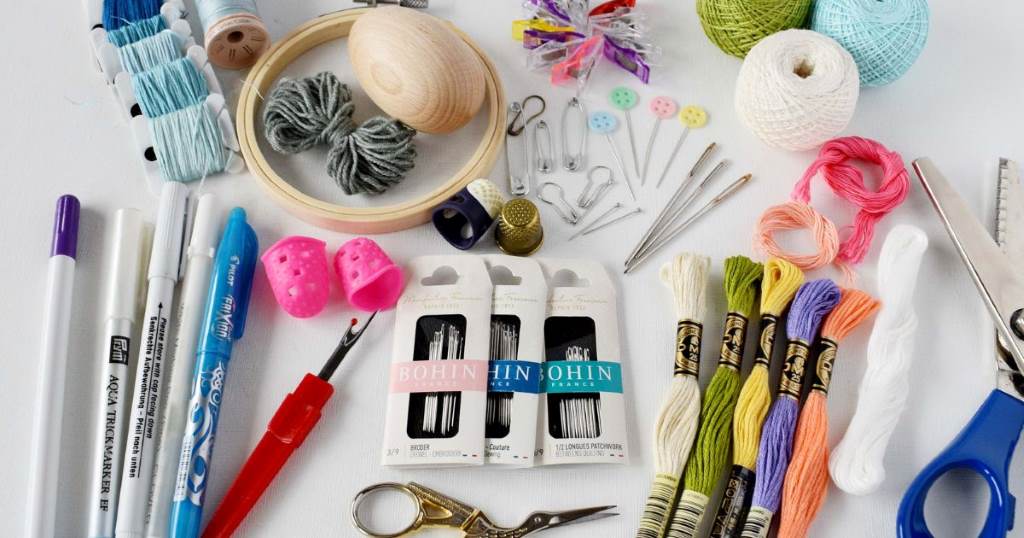
To start visible mending, gather a few simple tools to ensure effective repairs. These materials make the process accessible and enjoyable, whether you’re fixing moth holes or reinforcing a seam.
- Darning needles: Large-eyed needles for weaving yarn through knitwear.
- Embroidery thread or darning wool: Colorful threads for bold, decorative stitches.
- Fabric scissors: Sharp scissors for clean cuts on patches or yarn.
- Embroidery hoop: Stabilizes fabric for precise stitching.
- Fabric-safe tape: Secures patches temporarily before sewing.
- Faux suede patch or denim patches: Durable materials for covering larger holes.
These tools are affordable and widely available at craft stores or online, like Shop Beyond Measure. I started with a basic sewing needle and some leftover yarn, which worked fine for small repairs. According to a 2023 study by the Craft Industry Alliance, 68% of crafters prefer sustainable materials like wool or cashmere yarn for mending, ensuring eco-friendly and long-lasting results.
Darning: The Classic Knitwear Repair Technique
Darning is a time-honored method to repair holes in knitwear by weaving yarn to mimic the fabric’s structure. It’s perfect for moth holes or small tears in cashmere or wool garments. Start by threading a tapestry needle with darning wool. Secure the area with an embroidery hoop, then weave the yarn in a warp and weft pattern over the hole, creating a sturdy patch. Use a blanket stitch around the edges for extra durability.
This technique is both functional and artistic. I darned my cashmere sweater with colorful embroidery floss, creating a lattice stitch pattern that turned heads. The process is meditative, blending creativity with practicality. A 2022 article in Simply Sewing magazine notes that darning extends garment life by up to five years, reducing the need for replacements. Experiment with contrasting colors for a vibrant, visible mending style that showcases your personality.
Patching: Adding Style and Strength to Knitwear
Patching is ideal for larger holes or worn areas in knitwear, like elbows or cuffs. Use fabric patches, such as denim or faux suede, to cover damage while adding a unique flair. Cut a patch slightly larger than the repair area, secure it with fabric-safe tape, and stitch it using an embroidery stitch like the running or blanket stitch. For a decorative touch, try needle felting to blend the patch with the garment.
When I patched a knitted coat hanger, I used a denim patch with colorful stitching, making it both sturdy and stylish. Patching is forgiving for beginners, as it doesn’t require perfect weaving. The Endery, a sustainable fashion brand, reports that patching can reduce textile waste by 20% when paired with upcycling. This method not only strengthens your knitwear but also transforms it into a statement piece, celebrating the art of repair.
Creative Embellishments for Unique Repairs
Visible mending isn’t just about fixing—it’s about enhancing your knitwear with creative embellishments. Techniques like embroidery or cabling can turn a repair into a work of art. For example, use embroidery floss to create floral patterns over a darned area or add lattice stitches for texture. Needle felting can add soft, fuzzy designs, perfect for wool or cashmere.
I once added a star-shaped embroidery stitch to a moth-eaten scarf, making it my favorite accessory again. This approach aligns with slow living, encouraging mindfulness in crafting. A 2024 post on Making & Craft highlights that 75% of visible menders feel a sense of accomplishment from embellishing repairs. Check YouTube tutorials from creators like Sophia Min for inspiration. These embellishments make your knitwear unique, turning imperfections into conversation starters while promoting sustainable fashion.
Tips for Long-Lasting Knitwear Repairs
To ensure your mended knitwear lasts, follow these practical tips. First, choose high-quality materials like cashmere yarn or embroidery thread for durability. Wash repaired garments gently by hand to avoid stressing the repair area. Store knitwear flat to prevent stretching, especially for heavy patches. If using a darning loom, ensure even tension to avoid puckering.
I learned the hard way when my first patch loosened after a machine wash. Now, I use a blanket stitch and hand-wash my mended pieces. According to EILEEN FISHER’s sustainability guide, proper care can extend a garment’s life by 50%. Reinforce high-wear areas like elbows preemptively with small patches. Joining a mending community, like those on Instagram, offers tips and support. These steps keep your repairs intact, saving you time and preserving your favorite knitted garments.
Joining the Visible Mending Community
Visible mending is more than a craft—it’s a movement. Online platforms like Instagram and YouTube connect menders worldwide, sharing techniques and inspiration. Follow accounts like Laine St Pierre or The Endery for tutorials on decorative knitwear repair. Local workshops, like those advertised by @collingwoodnorr on X, foster hands-on learning and community.
When I joined an online mending group, I discovered new stitches and made friends who share my passion for sustainability. These communities encourage upcycling and reject fast fashion’s throwaway culture. A 2023 Textile Research Journal study found that community-driven mending reduces clothing waste by 15% annually. Share your repairs on social media or join a workshop to connect with others. It’s a rewarding way to learn, grow, and contribute to a circular economy.
Conclusion
Visible mending turns damaged knitwear into wearable art, blending creativity with sustainability. By mastering darning, patching, and embellishments, you can save your favorite garments from the landfill while expressing your style. My journey with mending taught me to value imperfections and embrace slow living. Each stitch tells a story, connecting you to a global community of crafters. Try these techniques on your next moth-eaten sweater or worn denim, and see the magic unfold. Share your mending projects in the comments or spread the word about sustainable fashion. Let’s stitch a more sustainable future together!
FAQs
What is visible mending for knitwear?
Visible mending repairs knitwear with bold stitches or patches, highlighting repairs as art while extending garment life.
Can I mend knitwear without sewing experience?
Yes, basic darning or patching requires minimal skills. Start with YouTube tutorials for simple techniques.
What’s the best yarn for knitwear repairs?
Use darning wool or cashmere yarn for durability and flexibility, matching your garment’s texture.
How do I prevent knitwear repairs from unraveling?
Secure repairs with tight stitches like blanket stitch and hand-wash garments to maintain integrity.
Where can I learn more about visible mending?
Explore Instagram communities or YouTube channels like The Endery for tutorials and inspiration.