Imagine slipping on a sleek smartwatch that tracks your steps and complements your outfit perfectly. The future of wearable technology as a fashion statement is here, blending style with innovation. These devices, from fitness trackers to smart jewelry, are no longer just gadgets; they’re bold expressions of personality. I remember my first smartwatch—it felt clunky, but now, wearables are chic and seamless. According to a 2023 Statista report, the global wearable market is expected to reach $81.5 billion by 2026, driven by fashion-forward designs. This blog explores how wearable technology is shaping fashion’s future, merging utility with elegance. Let’s dive into this stylish tech revolution and see where it’s headed.
The Evolution of Wearable Technology
Wearable technology has come a long way from bulky fitness trackers. Early devices prioritized function over form, often clashing with personal style. However, brands now focus on aesthetics, making wearables a fashion staple. Smartwatches like the Apple Watch offer customizable bands, while smart rings blend discreetly with everyday jewelry. This shift reflects consumer demand for devices that enhance both lifestyle and appearance.
Designers are collaborating with tech companies to create wearables that feel luxurious. For example, Fitbit’s partnership with Vera Wang introduced elegant fitness trackers. According to a 2024 Gartner study, 65% of consumers choose wearables based on style over features. Transitioning from geeky to glamorous, these devices now cater to fashion-conscious users. My own switch to a sleek smart ring felt like upgrading from sneakers to heels—it just fit better.

Wearables as a Style Statement
The future of wearable technology as a fashion statement lies in personalization. Brands offer interchangeable straps, customizable faces, and even 3D-printed designs. Smart glasses, like Ray-Ban Stories, combine trendy frames with audio and camera features. These options let users express individuality while staying connected. Imagine a necklace that monitors your heart rate and matches your evening gown—function meets flair.
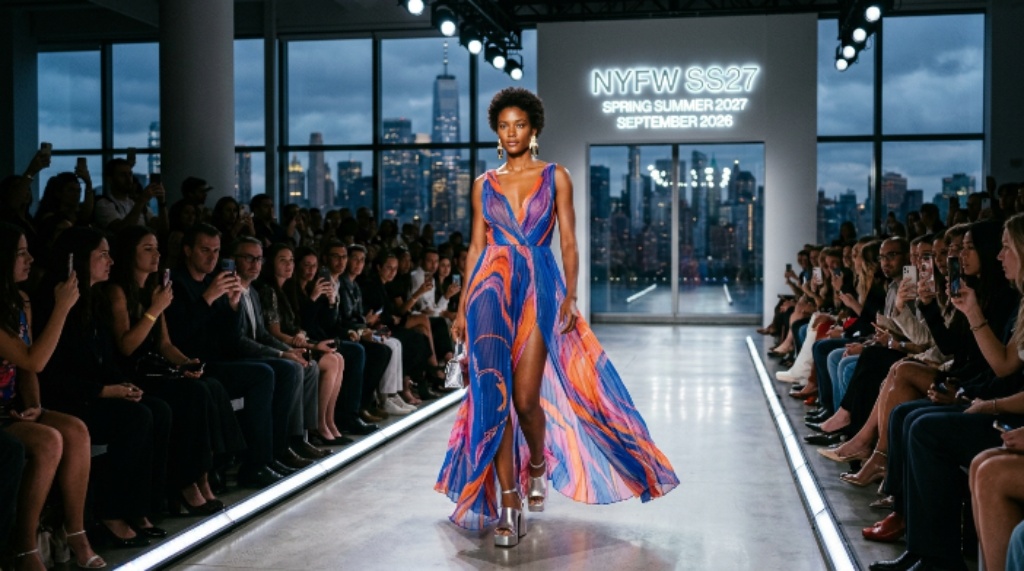
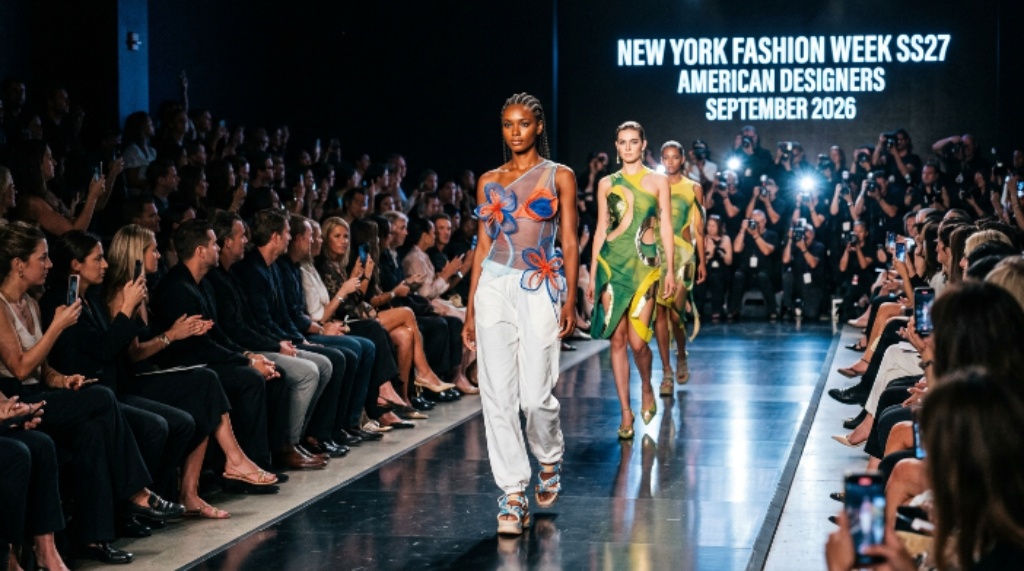
Moreover, wearables are appearing on runways. Fashion houses like Louis Vuitton have launched smart bags with flexible displays. This trend shows how technology enhances high fashion. Consumers now expect devices to reflect their unique style. For instance, I felt empowered choosing a smartwatch band that matched my wardrobe. With 70% of millennials prioritizing aesthetics in tech purchases (per a 2023 Nielsen report), wearables are becoming a canvas for self-expression.
Sustainability and Ethical Fashion
Sustainability is shaping the future of wearable technology as a fashion statement. Eco-conscious consumers demand green products, and brands are listening. Companies like Garmin use recycled materials for watch straps, reducing environmental impact. Additionally, modular designs allow users to upgrade components without replacing entire devices, cutting waste. This aligns with the growing ethical fashion movement.
However, challenges remain. Producing tech-heavy wearables requires energy-intensive processes. Yet, innovations like solar-powered smartwatches are emerging. For example, I tried a solar-charged fitness tracker and loved its eco-friendly vibe. According to a 2024 McKinsey report, 60% of fashion buyers prioritize sustainability. Therefore, brands blending eco-conscious materials with stylish designs will lead the market. This fusion of ethics and aesthetics makes wearables a responsible fashion choice.
The Role of Artificial Intelligence
Artificial intelligence (AI) is transforming wearables into smart fashion accessories. AI-powered devices analyze health data, suggest outfits, or even adjust settings based on user habits. For instance, smartwatches now predict stress levels and recommend mindfulness exercises. This intelligence makes wearables more than just pretty—they’re intuitive.
Additionally, AI enhances customization. Apps let users design watch faces or sync devices with their wardrobe. I once used an app to match my smartwatch display with my dress, feeling like a tech-savvy fashionista. However, privacy concerns linger, as AI collects personal data. Brands must prioritize security to maintain trust. With AI, the future of wearable technology as a fashion statement is smarter and more stylish than ever.
Challenges in Blending Tech and Fashion
Merging technology with fashion isn’t without hurdles. One major issue is balancing functionality with aesthetics. Bulky devices can detract from elegance, while sleek designs may lack advanced features. Brands must innovate to create compact, powerful wearables. For example, I struggled to find a stylish tracker with reliable battery life.
Cost is another barrier. High-end wearables, like Hermès Apple Watches, can be pricey, limiting accessibility. Additionally, rapid tech advancements make devices obsolete quickly. Consumers may hesitate to invest in trendy gadgets that soon feel outdated. Therefore, brands need affordable, timeless designs. Despite these challenges, the industry is evolving, ensuring wearables remain both functional and fashionable.
The Social Impact of Fashionable Wearables
Wearables are reshaping social perceptions of fashion. They signal modernity and tech-savviness, appealing to younger generations. Social media platforms amplify this trend, with influencers showcasing stylish wearables. For instance, TikTok videos of smart jewelry have millions of views, inspiring purchases. I felt part of a trend when I shared my smart ring on Instagram.
Moreover, wearables foster inclusivity. Adaptive devices, like hearing-aid earbuds, blend style with accessibility. This empowers diverse users to embrace fashion without compromise. However, over-reliance on tech could widen digital divides. Brands must ensure affordability to include everyone. The future of wearable technology as a fashion statement is about connecting people through style and innovation.
Future Trends to Watch
The future of wearable technology as a fashion statement is exciting. Augmented reality (AR) wearables, like smart contact lenses, could display notifications directly in your vision. Imagine checking texts while looking chic at a café. Additionally, health-monitoring fabrics woven into clothing are gaining traction. These “smart textiles” track vitals without sacrificing style.
Another trend is biodegradable wearables. Companies are exploring plant-based materials to create eco-friendly devices. I’m excited to try a compostable fitness band someday. Furthermore, 5G integration will make wearables faster and more connected. With these advancements, wearables will seamlessly blend into our wardrobes, redefining fashion. The future is bright, stylish, and tech-driven.
Conclusion
The future of wearable technology as a fashion statement is a blend of innovation and elegance. From AI-driven customization to sustainable designs, wearables are redefining how we express style. They’re no longer just tools; they’re extensions of our identity. My journey with wearables, from clunky trackers to sleek smart rings, shows their transformative power. As brands innovate, the line between tech and fashion blurs, creating endless possibilities. What’s your take on this trend? Share your thoughts in the comments or spread the word about this stylish revolution. Let’s embrace the future where technology meets fashion head-on.
FAQs
What is wearable technology in fashion?
Wearable technology in fashion includes devices like smartwatches and smart jewelry that blend style with functionality, enhancing personal expression.
How do wearables enhance personal style?
Wearables offer customizable designs, such as interchangeable straps and digital displays, allowing users to match devices with their outfits.
Are fashionable wearables sustainable?
Many brands use recycled materials and modular designs, making wearables eco-friendly, though production challenges remain.
What role does AI play in wearables?
AI powers wearables to analyze health data, suggest outfits, and personalize settings, making them smarter and more stylish.
What are the future trends for wearables?
Trends include AR wearables, smart textiles, and biodegradable devices, blending advanced tech with sustainable, fashionable designs.
Loved this post? Share your favorite wearable tech style in the comments or share this article with friends to spark a conversation!