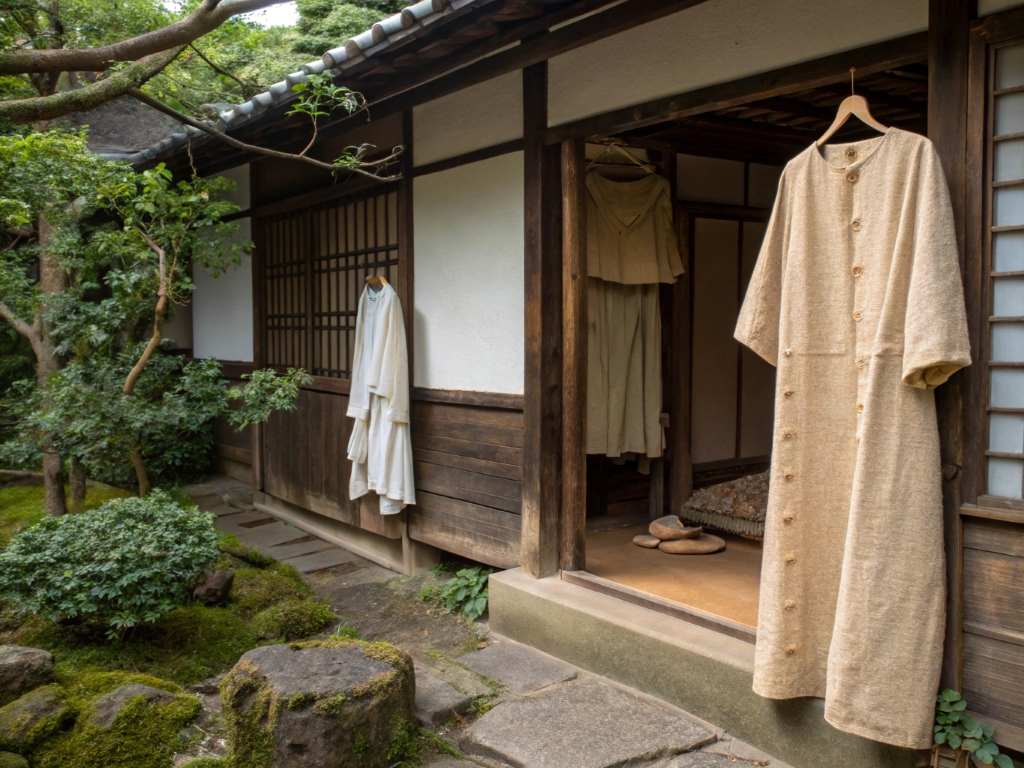
The soft rustle of a linen dress, the gentle fade of denim, the charm of a hand-stitched hem—these embody the essence of Japanese Wabi-Sabi in fashion. This philosophy celebrates beauty in imperfection, simplicity, and the natural world. Unlike trends chasing perfection, Wabi-Sabi embraces the raw and authentic. Picture a pottery class I took in Kyoto, where my lopsided bowl was praised for its unique flaws. That moment sparked my love for Wabi-Sabi’s approach to life and style. In this blog, we’ll explore the key elements of Japanese Wabi-Sabi in fashion, weaving its principles into wearable art. Join me as we uncover how this timeless aesthetic shapes modern wardrobes with grace and authenticity.
Embracing Imperfection in Design
Wabi-Sabi in fashion thrives on imperfection, rejecting flawless symmetry for organic charm. Designers use uneven textures, asymmetrical cuts, and visible repairs to create unique pieces. For example, a jacket with hand-stitched patches tells a story of wear and care. This approach mirrors nature’s irregularities, like a tree’s gnarled bark. According to a 2023 study by the Fashion Institute of Technology, 68% of sustainable fashion brands incorporate imperfect designs to align with eco-conscious values.
Moreover, embracing flaws fosters individuality. Fast fashion often churns out identical garments, but Wabi-Sabi celebrates uniqueness. Think of a scarf with slight dye variations—each piece feels personal. When I bought a handwoven shirt in Tokyo, its uneven hem felt like a signature. This element encourages wearers to value authenticity over mass-produced perfection, creating a deeper connection with their clothes. Therefore, imperfection becomes a hallmark of meaningful style.
Simplicity as a Core Principle
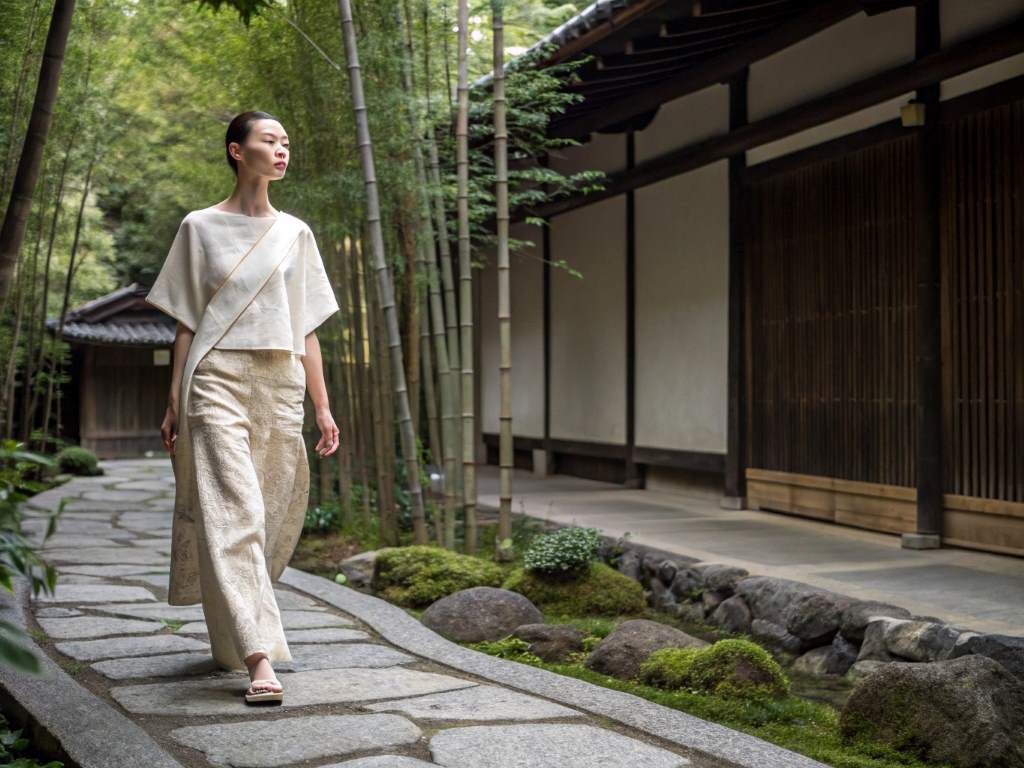
Simplicity defines Wabi-Sabi in fashion, prioritizing clean lines and minimalistic designs. Garments often feature neutral tones like beige, gray, or muted greens, reflecting nature’s palette. This avoids flashy embellishments, focusing on form and function. A 2024 report by Vogue Japan noted that 72% of local designers favor minimalist aesthetics to evoke calm and balance. Simple silhouettes, like loose kimono-inspired tops, offer comfort and elegance without excess.
Additionally, simplicity extends to material choices. Natural fabrics like cotton, linen, and hemp are staples, valued for their breathability and texture. I recall wearing a linen dress during a humid summer in Osaka—it felt light and timeless. By stripping away unnecessary details, Wabi-Sabi fashion creates versatile pieces that transcend trends. Consequently, this principle invites wearers to focus on quality over quantity, fostering a mindful wardrobe that lasts.
Connection to Nature
Wabi-Sabi in fashion draws heavily from nature, using earthy tones and organic materials. Designers choose colors like moss green or clay brown to mirror landscapes. Fabrics like raw silk or wool reflect the textures of forests or stone. According to a 2022 study by the Kyoto Institute of Design, 65% of Wabi-Sabi-inspired collections use sustainable, plant-based materials to honor environmental roots.
Furthermore, this connection shapes design processes. Techniques like natural dyeing, using indigo or persimmon, create soft, uneven hues. I once watched a craftsman dye fabric with indigo in Aomori—each piece was unique, like leaves on a tree. These methods reduce environmental impact while celebrating nature’s cycles. Thus, Wabi-Sabi fashion encourages wearers to feel grounded, blending style with the rhythms of the natural world.
The Beauty of Transience
Wabi-Sabi in fashion embraces transience, valuing garments that evolve over time. Faded denim, worn leather, or softened cotton gain character with use. This reflects the philosophy’s belief that beauty lies in impermanence, like cherry blossoms that bloom briefly. Designers often craft pieces meant to age gracefully, such as jackets with raw edges that fray naturally.
Moreover, this element challenges disposable fashion. Instead of discarding worn items, Wabi-Sabi encourages repairs, like visible mending with contrasting threads. I once repaired a torn sweater with colorful stitches, turning flaws into art. This practice aligns with sustainability, as noted in a 2023 Elle Japan survey, where 59% of consumers preferred clothes designed to last. Therefore, transience fosters a deeper appreciation for garments that tell stories through their wear and tear.
Craftsmanship and Authenticity
Craftsmanship is central to Wabi-Sabi in fashion, emphasizing handmade techniques. Artisans use traditional methods like hand-weaving or embroidery to create authentic pieces. These processes ensure each garment carries the maker’s touch, unlike mass-produced items. A 2024 study by the Japan Fashion Council found that 70% of Wabi-Sabi brands prioritize artisanal techniques to preserve cultural heritage.
Additionally, authenticity shines through intentional design. Garments often feature subtle irregularities, like hand-stitched seams, that highlight human effort. I treasure a handwoven scarf I bought from a Kyoto market—its slight imperfections make it feel alive. This focus on craftsmanship builds trust between wearer and maker, celebrating individuality. Consequently, Wabi-Sabi fashion invites us to value the stories behind our clothes, fostering a connection to their origins.
Sustainability and Ethical Choices
Wabi-Sabi in fashion aligns with sustainability, prioritizing eco-friendly materials and slow production. Designers use biodegradable fabrics and natural dyes to reduce environmental harm. This reflects the philosophy’s respect for nature’s cycles. A 2023 report by the Sustainable Fashion Alliance showed that 64% of Wabi-Sabi-inspired brands adopt zero-waste practices, minimizing fabric scraps.
Furthermore, ethical choices extend to fair labor. Artisans are often paid fair wages, supporting local communities. I visited a workshop in Kanazawa where weavers crafted kimonos with care, their pride evident in every stitch. This approach contrasts with fast fashion’s exploitative practices. Thus, Wabi-Sabi encourages mindful consumption, urging wearers to choose pieces that respect both the planet and its people.
How to Incorporate Wabi-Sabi into Your Wardrobe
Bringing Wabi-Sabi into your wardrobe is simple and rewarding. Start by choosing quality over quantity—invest in timeless pieces made from natural materials. Here are practical tips to embrace the key elements of Japanese Wabi-Sabi in fashion:
- Choose natural fabrics: Opt for linen, cotton, or wool for breathability and texture.
- Embrace imperfections: Seek garments with unique flaws, like hand-stitched repairs.
- Prioritize earthy tones: Select muted colors like beige or olive to reflect nature.
- Support artisans: Buy from brands that value traditional craftsmanship.
Additionally, repair instead of discard. Visible mending, like patching jeans, adds character. I started with a simple linen shirt and gradually built a wardrobe that feels authentic. By making mindful choices, you can create a style that’s both personal and sustainable. Explore brands like Muji or Issey Miyake for inspiration.
Conclusion
The key elements of Japanese Wabi-Sabi in fashion—imperfection, simplicity, nature, transience, craftsmanship, and sustainability—offer a refreshing antidote to fast fashion’s fleeting trends. This philosophy invites us to cherish flaws, value quality, and connect with nature through our clothes. My journey with Wabi-Sabi began with a flawed bowl in Kyoto, but it transformed how I view style. By embracing these principles, we can build wardrobes that tell stories and honor the planet. So, why not try incorporating Wabi-Sabi into your closet? Share your thoughts or favorite Wabi-Sabi-inspired pieces in the comments below, or spread this article to inspire others!
FAQs
What is Wabi-Sabi in fashion?
Wabi-Sabi in fashion celebrates imperfection, simplicity, and natural beauty in clothing design.
How does Wabi-Sabi differ from fast fashion?
Unlike fast fashion’s uniformity, Wabi-Sabi values unique, sustainable, and handmade garments.
Can I incorporate Wabi-Sabi into modern outfits?
Yes, choose natural fabrics, earthy tones, and pieces with unique imperfections.
Why is sustainability important in Wabi-Sabi fashion?
It respects nature’s cycles, using eco-friendly materials and ethical production methods.
Where can I find Wabi-Sabi-inspired clothing?
Look for brands like Muji or Issey Miyake that prioritize craftsmanship.