Picture this: you’re standing before a jewelry display case, heart racing as you realize this single decision will symbolize a lifetime of love and commitment. The engagement ring you choose today will grace your partner’s hand for decades to come, serving as a daily reminder of your unique love story. With countless options spanning from timeless classics to cutting-edge contemporary designs, selecting the perfect engagement ring can feel overwhelming. Understanding the fundamental differences between classic and contemporary styles will empower you to make a confident choice that perfectly captures your relationship’s essence.
Understanding Classic Engagement Ring Styles
Classic engagement rings have withstood the test of time for good reason. These traditional designs embody elegance, sophistication, and enduring beauty that transcends fleeting fashion trends. When we speak of classic engagement rings, we’re referring to styles that have remained popular for generations, often featuring traditional elements that never go out of style.
Defining Characteristics of Traditional Rings
Traditional engagement rings typically showcase several key features that distinguish them from their contemporary counterparts. The most prominent characteristic is the emphasis on symmetry and balanced proportions. Classic designs often feature round brilliant cut diamonds, which have been the most popular choice since the early 20th century due to their exceptional sparkle and timeless appeal.
Metal choices for classic rings traditionally include platinum, white gold, and yellow gold. These precious metals provide the perfect backdrop for showcasing the diamond’s brilliance while offering durability that matches the ring’s symbolic permanence. The settings in classic designs tend to be understated yet elegant, allowing the center stone to take center stage without competition from overly ornate details.
Popular Classic Engagement Ring Settings
The solitaire setting reigns supreme among classic engagement ring styles. This iconic design features a single diamond held by four or six prongs, creating a clean, uncluttered look that highlights the stone’s natural beauty. The solitaire’s timeless appeal lies in its simplicity and versatility – it complements any outfit or occasion while allowing the diamond to capture and reflect light from every angle.
Halo settings represent another beloved classic style, featuring a center diamond surrounded by a circle of smaller accent diamonds. This design creates the illusion of a larger center stone while adding extra sparkle and vintage charm. The halo setting gained popularity during the Art Deco era and continues to captivate couples seeking a touch of glamour with traditional sensibilities.
Three-stone engagement rings, also known as trinity or past-present-future rings, symbolize a couple’s journey through time. The center stone represents the present moment, flanked by two smaller diamonds representing the past and future. This meaningful design appeals to couples who appreciate both symbolism and classic aesthetics.
Benefits of Choosing Classic Styles
Selecting a classic engagement ring offers numerous advantages that extend beyond mere aesthetics. The primary benefit lies in the style’s timeless nature – a classic ring will never look dated or out of fashion, ensuring your investment remains relevant for generations. This enduring appeal also translates to better resale value, should circumstances ever require it.
Classic styles offer versatility in daily wear, complementing both casual and formal attire effortlessly. They’re also more likely to coordinate well with wedding bands, as traditional band styles are designed to pair harmoniously with classic engagement ring settings.
Exploring Contemporary Engagement Ring Designs
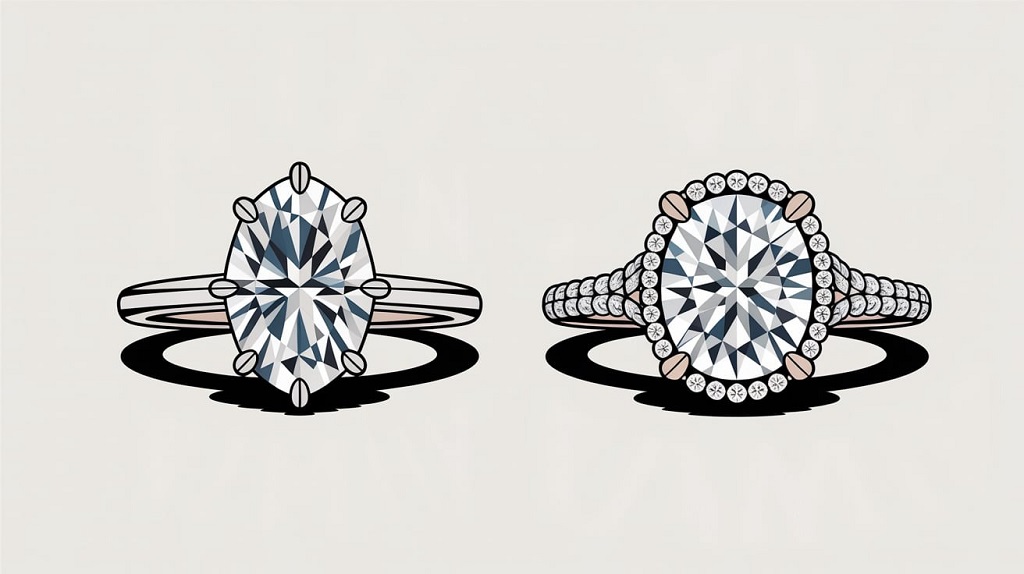
Contemporary engagement rings represent the cutting edge of jewelry design, incorporating modern aesthetics, innovative techniques, and unique artistic expressions. These designs often challenge traditional conventions, offering couples the opportunity to showcase their individuality and personal style through their ring choice.
Modern Design Elements and Trends
Contemporary engagement rings embrace asymmetry, mixed metals, and unconventional stone cuts as defining characteristics. Rose gold has experienced a significant resurgence in modern designs, offering a warm, romantic alternative to traditional metal choices. Many contemporary rings feature unique textures, such as hammered or brushed finishes, that add visual interest and tactile appeal.
Geometric shapes play a prominent role in modern ring designs, with hexagonal, oval, and pear-shaped diamonds gaining popularity among couples seeking something distinctive. These alternative cuts offer unique personalities while maintaining excellent brilliance and fire.
Innovative Setting Styles
Tension settings represent one of the most dramatic innovations in contemporary ring design. These settings use the metal band’s natural tension to hold the diamond in place, creating the illusion that the stone is floating between the band’s ends. This striking visual effect appeals to couples who appreciate modern engineering and artistic boldness.
Bezel settings have evolved from their traditional roots to become a hallmark of contemporary design. Modern bezel settings often feature sleek, minimalist profiles that appeal to active lifestyles while providing superior stone protection. Some contemporary bezels incorporate cutout designs or mixed metal combinations for added visual impact.
Cluster settings arrange multiple smaller diamonds in organic, flowing patterns that create unique silhouettes. These designs often incorporate different stone sizes and shapes, resulting in one-of-a-kind pieces that reflect individual creativity and artistic expression.
Advantages of Contemporary Choices
Contemporary engagement rings offer the ultimate in personalization and self-expression. These designs allow couples to incorporate meaningful elements, birthstones, or custom engravings that tell their unique love story. The innovative construction techniques used in modern rings often provide enhanced durability and comfort for daily wear.
Many contemporary designs cater to active lifestyles, featuring lower profiles and protective settings that reduce the risk of damage during sports or manual activities. The use of modern materials and techniques also often results in lighter, more comfortable rings that feel natural on the finger.
Key Factors in Your Decision-Making Process
Choosing between classic and contemporary engagement ring styles requires careful consideration of multiple factors that will influence your long-term satisfaction with the purchase.
Lifestyle and Personality Considerations
Your partner’s daily activities and career should significantly influence your ring choice. Healthcare professionals, teachers, or others who work with their hands may benefit from the practical advantages of contemporary low-profile settings or protective bezels. Conversely, someone in a traditional professional environment might prefer the timeless elegance of classic designs.
Consider your partner’s existing jewelry preferences and personal style. Do they gravitate toward vintage-inspired pieces, or do they prefer modern, minimalist accessories? Their fashion choices often provide valuable insights into their ring preferences.
Budget and Investment Perspective
Classic engagement rings often offer better long-term value retention due to their enduring popularity and broad market appeal. However, contemporary designs may provide more unique features and customization options within similar budget ranges.
Consider the total cost of ownership, including potential maintenance requirements. Some contemporary settings may require more frequent professional cleaning or adjustment, while classic designs often feature time-tested construction methods that require minimal maintenance.
Long-term Satisfaction Factors
Think about how the ring will age over the coming decades. Classic designs are specifically chosen for their ability to remain beautiful and relevant throughout changing fashion cycles. Contemporary designs may reflect current trends that could feel dated in future years, though truly innovative designs often become tomorrow’s classics.
Consider the symbolic importance of your choice. Some couples find deep meaning in carrying forward traditional symbols of commitment, while others prefer to establish their own modern traditions that reflect their unique relationship dynamic.
Making the Final Decision
The choice between classic and contemporary engagement ring styles ultimately comes down to understanding what best represents your unique relationship and your partner’s individual preferences.
Combining Elements from Both Styles
Many modern jewelers offer hybrid designs that incorporate classic elements with contemporary touches. A traditional solitaire setting might feature a unique band texture or mixed metal construction, while a modern geometric setting could showcase a classic round brilliant diamond. These combination approaches allow couples to enjoy the best aspects of both style categories.
Read More Also: Luxury Bag Size Comparison You Need to See
Professional Consultation Benefits
Working with experienced jewelry professionals can provide valuable insights into quality, craftsmanship, and design options that may not be immediately apparent. Reputable jewelers can also provide guidance on practical considerations such as sizing, maintenance requirements, and warranty coverage.
Consider visiting multiple jewelers to compare options and gather different perspectives on your choice. Many professionals offer custom design services that can create unique pieces incorporating your preferred elements from various style categories.
Read More Also: Michael Kors Serial Number Hologram Sticker
Frequently Asked Questions
Which style holds its value better over time?
Classic engagement rings generally maintain their value better due to their timeless appeal and broader market demand. However, exceptional contemporary pieces from renowned designers may also appreciate in value, particularly if they represent significant artistic innovations or use rare materials.
Can I change my ring style later if preferences evolve?
Many engagement rings can be modified or redesigned over time. Classic settings often offer more flexibility for future modifications, while some contemporary designs may have structural limitations that restrict alteration options. Discuss future modification possibilities with your jeweler before making your final decision.
How do I determine my partner’s style preference without spoiling the surprise?
Pay attention to their existing jewelry collection, Pinterest boards, or casual comments about rings they admire. Friends and family members can also provide valuable insights without alerting your partner to your intentions. Some couples prefer to shop together to ensure complete satisfaction with such an important purchase.
Are contemporary rings more expensive than classic styles?
Pricing varies significantly based on materials, craftsmanship, and designer reputation rather than style category alone. Contemporary designs may include premium materials or complex construction techniques that increase costs, while classic designs benefit from established manufacturing processes that can offer economies of scale.
Which style is better for active lifestyles?
Contemporary designs often feature practical advantages for active wearers, including lower profiles, protective settings, and durable construction techniques. However, well-designed classic rings can also accommodate active lifestyles, particularly when featuring secure settings and appropriate sizing.
Ready to find the perfect engagement ring that captures your unique love story?
Visit our showroom to explore both classic and contemporary options, or schedule a consultation with our design experts to create a custom piece that perfectly reflects your relationship. Your forever begins with the right ring – let us help you make this momentous decision with confidence and joy.