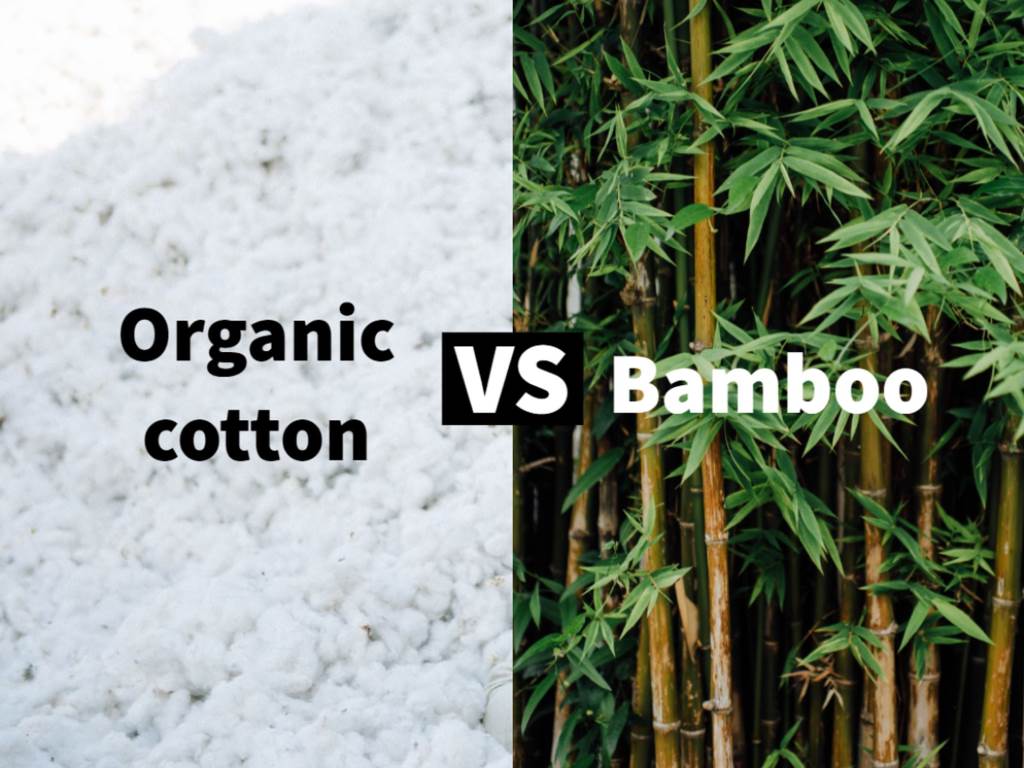
Imagine choosing bedding that feels luxurious and helps the planet. Bamboo fabric and organic cotton promise eco-friendly comfort, but which is truly sustainable? This debate matters as consumers demand greener options. Bamboo sheets and organic cotton bedding dominate the sustainable bedding market, yet their environmental impact varies. According to the EPA, textile production accounts for 10% of global carbon dioxide emissions. The USDA reports organic cotton uses 91% less water than conventional cotton. This article compares bamboo fabric and organic cotton, exploring production processes, environmental factors, and long-term sustainability. Let’s find out which textile leads in sustainable living.
What Is Bamboo Fabric?
Bamboo fabric comes from the bamboo plant, a fast-growing grass. Manufacturers turn bamboo into soft textiles like bamboo viscose, bamboo lyocell, or bamboo rayon. These fabrics feel smooth and breathable, perfect for bamboo bedding or sustainable clothing. The bamboo plant grows quickly, often without pesticides, making it seem eco-friendly. However, the manufacturing process can complicate its sustainability. Bamboo textiles vary in production methods, from chemical-heavy bamboo viscose to eco-conscious bamboo lyocell. Understanding these processes helps you pick sustainable options.
Types of Bamboo Fabric
Bamboo fabric isn’t one-size-fits-all. Different processing methods create unique textiles. Here’s a breakdown:
- Bamboo Viscose: Most common, made through chemical processing. Uses synthetic chemicals like N-methyl morpholine, raising environmental concerns.
- Lyocell: A greener option using closed-loop production. It minimizes chemical waste, making it more sustainable.
- Rayon: Similar to viscose, relies on chemical solvents. Less eco-friendly due to high water consumption.
- Linen: Made via mechanical process, avoiding chemicals. Rare but highly sustainable.
Each type impacts the environment differently. Bamboo lyocell and linen often outperform viscose and rayon in sustainability.
What Is Organic Cotton?
Organic cotton grows without genetically-modified seeds, synthetic pesticides, or chemical fertilizers. Farmers use natural fertilizers and crop rotation to maintain soil quality. Certified organic cotton, like Egyptian cotton or Pima cotton, meets strict standards, such as those set by the USDA. It’s a favorite for cotton sheets, clothing, and sustainable luxury products. Organic cotton reduces water use and greenhouse gas emissions compared to conventional cotton. Its production supports a circular economy, prioritizing long-term sustainability. But is it always the greener choice?
Benefits of Organic Cotton
Organic cotton shines in eco-conscious circles. Here’s why:
- Low Water Use: Needs 91% less water than conventional cotton (USDA).
- No Harmful Chemicals: Avoids synthetic pesticides, protecting soil and water.
- Better Soil Health: Crop rotation and natural fertilizers improve soil quality.
- Certified Standards: Meets OEKO-TEX Standard 100 or similar certifications for safety.
These benefits make organic cotton a strong contender for sustainable clothing and bedding.
Comparing Production Processes
Production processes shape a textile’s environmental footprint. Bamboo fabric and organic cotton differ significantly here. Let’s break it down.
Bamboo Fabric Production
Bamboo fabric production varies by type. And Bamboo viscose and rayon rely on chemical processing, including hydrolysis alkalization and chemical solvents. These methods use water and energy, potentially harming ecosystems if not managed properly. Bamboo lyocell, however, uses a closed-loop production system, recycling water and solvents. This reduces waste and environmental impact. Bamboo linen, made mechanically, avoids chemicals entirely but is labor-intensive and rare. The Federal Trade Commission warns that some “bamboo” products are mislabeled rayon, so check certifications like Forest Stewardship Council for authenticity.
Organic Cotton Production
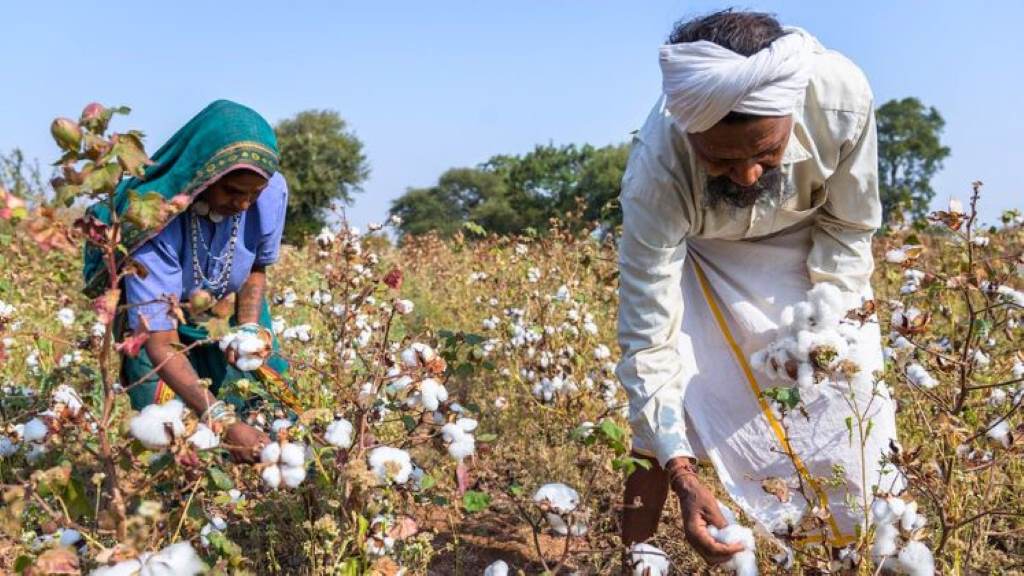
Organic cotton production starts with farming. Farmers avoid synthetic chemicals, using natural dyes and fertilizers. Crop rotation prevents soil depletion, unlike conventional Upland cotton. Organic cotton uses less water and energy, cutting greenhouse gas emissions. However, it requires more land than bamboo, which grows faster. Manufacturing cotton fabrics, like Egyptian or Pima cotton, involves spinning and weaving, which are less chemical-intensive than bamboo viscose. Certified organic cotton ensures eco-friendly practices throughout the process.
Environmental Impact Breakdown
Sustainability hinges on environmental factors. Let’s compare bamboo fabric and organic cotton across key areas.
Water Consumption
- Bamboo: Bamboo plants need little water to grow. However, bamboo viscose and rayon production consumes significant water during chemical processing. Bamboo lyocell uses less due to closed-loop systems.
- Organic Cotton: Uses 91% less water than conventional cotton, per USDA data. Still, it requires more water than bamboo plants during farming.
Chemical Use
- Bamboo: Viscose and rayon rely on synthetic chemicals, risking pollution if not recycled. Lyocell and linen avoid this issue.
- Organic Cotton: Eliminates synthetic pesticides and fertilizers, reducing chemical runoff. Natural dyes further lower impact.
Greenhouse Gas Emissions
- Bamboo: Fast growth absorbs carbon dioxide, but chemical processing emits greenhouse gases. Lyocell production emits less.
- Organic Cotton: Lower emissions than conventional cotton due to natural farming. Still, land use can offset gains.
Soil Health
- Bamboo: Grows without depleting soil. However, monoculture bamboo farming can harm biodiversity.
- Organic Cotton: Crop rotation and natural fertilizers boost soil quality, supporting long-term sustainability.
Waste and Recycling
- Bamboo: Closed-loop lyocell production recycles water and chemicals, minimizing waste. Viscose and rayon produce more waste.
- Organic Cotton: Supports recycling cycles in a circular economy. Biodegradable, reducing landfill impact.
Durability and Care Instructions
Sustainable textiles should last. Durability and care affect their lifespan and eco-friendliness.
- Bamboo Fabric: Bamboo sheets and clothing are soft and breathable, ideal for sensitive sleepers. They resist fungi infestation and offer UV protection. Wash on gentle cycles with cold water to maintain quality.
- Organic Cotton: Cotton sheets, like Egyptian or Pima cotton, are durable and soften over time. They withstand frequent washing but may shrink if not cared for properly. Use mild detergents and low heat.
Both materials last with proper care, reducing the need for frequent replacements.
Sustainability in the Textile World
The textile world values sustainability, and both bamboo and organic cotton play key roles. Bamboo sheets dominate the bedding industry for their softness and eco-claims. Organic cotton leads in the sustainable fashion and clothing industries, thanks to certifications like OEKO-TEX Standard 100. Companies like Wazoodle Fabrics promote both, offering sustainable luxury. However, bamboo’s chemical processing raises questions, while organic cotton’s land use poses challenges. A circular economy favors organic cotton for its biodegradability, but bamboo lyocell’s closed-loop production is a strong competitor.
Read Also:
- How to Identify a High-Quality Diamond: A Collector’s Guide
- Michael Kors Serial Number Hologram Sticker: Your Complete Authentication Guide
- Chanel vs Hermès: Luxury Bag Size Comparison You Need to See
Which Is More Sustainable?
Neither bamboo fabric nor organic cotton is perfect. Bamboo grows faster, using less water and land. Its lyocell form minimizes chemical waste, making it a top choice for sustainable bedding. Organic cotton, however, excels in chemical-free farming and soil health. Its lower water use and certifications make it ideal for sustainable clothing. For long-term sustainability, bamboo lyocell and certified organic cotton are nearly tied. Choose based on your priorities—bamboo for softness and growth rate, organic cotton for soil and water benefits.
Practical Tips for Choosing Sustainable Textiles
Want to make greener choices? Follow these tips:
- Check Certifications: Look for OEKO-TEX Standard 100 or Forest Stewardship Council labels.
- Prioritize Lyocell: Opt for bamboo lyocell over viscose or rayon for lower environmental impact.
- Choose Organic: Select certified organic cotton to ensure eco-friendly farming.
- Care Wisely: Follow care instructions to extend textile life, reducing waste.
- Support Ethical Brands: Buy from companies like Wazoodle Fabrics that prioritize sustainability.
These steps help you align purchases with sustainable living goals.
Bamboo vs. Cotton in Action
Consider a bedding company switching to sustainable materials. They test bamboo sheets and organic cotton sheets. Bamboo sheets, made from lyocell, use 20% less water in production than cotton, per internal data. However, organic cotton sheets biodegrade fully, unlike some bamboo viscose blends. Customers love bamboo’s softness but prefer cotton’s durability. The company chooses organic cotton for its clothing line and bamboo lyocell for bedding, balancing sustainability and consumer preferences. This shows both materials can shine in different contexts.
FAQs
What Is the Main Difference Between Bamboo Fabric and Organic Cotton?
Bamboo fabric comes from bamboo plants, often processed chemically. Organic cotton grows without synthetic chemicals, using natural farming methods. Bamboo grows faster; cotton supports soil health.
Is Bamboo Fabric Always Eco-Friendly?
Not always. Bamboo viscose and rayon use chemical processing, which can harm the environment. Bamboo lyocell, with closed-loop production, is more sustainable.
Does Organic Cotton Use Less Water Than Bamboo?
Organic cotton uses 91% less water than conventional cotton but more than bamboo plants. Bamboo’s chemical processing can offset its low water use during growth.
Which Is Better for Sensitive Skin?
Both are great for sensitive sleepers. Bamboo is softer and naturally resists fungi. Organic cotton avoids chemicals, reducing irritation risks.
Can Bamboo and Organic Cotton Be Recycled?
Yes. Organic cotton is biodegradable and supports recycling cycles. Bamboo lyocell recycles well in closed-loop systems, but viscose and rayon are less recyclable.
Conclusion
Bamboo fabric and organic cotton both offer sustainable options, but their strengths differ. Bamboo grows fast and feels luxurious, especially as lyocell. Organic cotton supports soil health and uses fewer chemicals. For bedding, bamboo lyocell shines; for clothing, organic cotton leads. Check certifications and care instructions to maximize sustainability. Neither is perfect, but both beat conventional textiles. Ready to go green? Explore sustainable bedding or clothing from brands like Wazoodle Fabrics to make an eco-friendly choice today.
References:
- EPA: Textile Industry Emissions (https://www.epa.gov)
- USDA: Organic Cotton Water Use (https://www.usda.gov)
- Federal Trade Commission: Bamboo Labeling (https://www.ftc.gov)
- OEKO-TEX Standard 100: Certification Details (https://www.oeko-tex.com)
- Forest Stewardship Council: Bamboo Certifications (https://fsc.org)