Mexican textile traditions represent centuries of cultural heritage woven into every thread. These fabrics tell stories of indigenous communities, colonial influences, and modern innovation. Today, traditional Mexican fabric textures are experiencing a global renaissance in contemporary fashion. Designers and consumers alike are drawn to their vibrant colors, intricate patterns, and rich tactile qualities.
The Rich History Behind Mexican Textiles
Mexican fabric traditions date back thousands of years to pre-Columbian civilizations. Ancient artisans developed sophisticated weaving techniques using natural fibers like cotton and agave. Additionally, they created dyes from indigenous plants, insects, and minerals. The cochineal insect, for example, produced the brilliant red hues still prized today.
Spanish colonization introduced new materials and techniques. However, indigenous communities preserved their traditional methods. They adapted European elements while maintaining their cultural identity. This fusion created the distinctive Mexican textile aesthetic we recognize today.
Understanding Traditional Fabric Textures
Traditional Mexican fabrics feature diverse textures that vary by region and technique. Each texture carries its own cultural significance and practical purpose.
Cotton Weaves and Their Characteristics
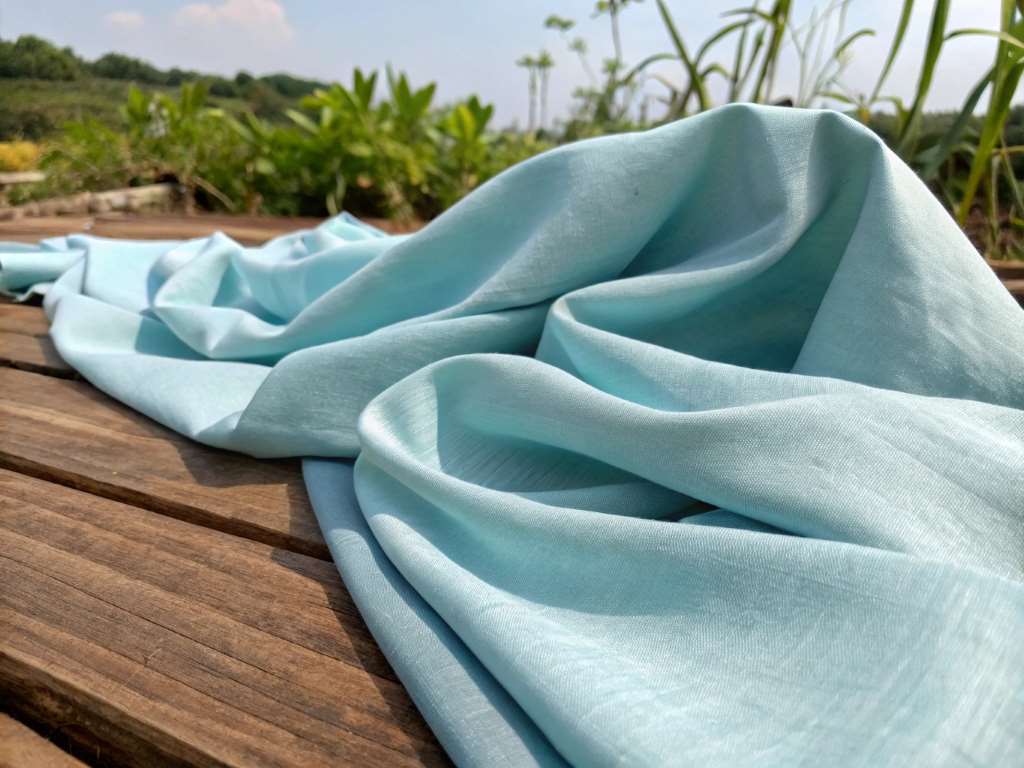
Cotton remains the foundation of Mexican textile production. Artisans create various textures through different weaving patterns. Plain weaves produce smooth, lightweight fabrics perfect for warm climates. Twill weaves offer diagonal patterns with increased durability. Additionally, satin weaves create lustrous surfaces that catch light beautifully.
Handwoven cotton develops a unique texture impossible to replicate by machine. The slight irregularities add character and authenticity. Therefore, many fashion designers specifically seek handwoven materials for their collections.
Wool Textures from Highland Regions
Highland communities specialize in wool textiles with distinctive textures. The cooler mountain climate necessitates warmer fabrics. Consequently, artisans developed thick, insulating weaves. These textiles often feature raised patterns created through supplementary weft techniques.
Churro sheep wool produces particularly sought-after textures. The fiber creates rustic, textured fabrics with natural lanolin that repels water. Modern designers incorporate these wool textures into sweaters, jackets, and accessories.
Embroidered Surface Textures
Embroidery transforms flat fabrics into three-dimensional textile art. Mexican embroidery techniques create raised textures through dense stitching. Chain stitch, satin stitch, and cross-stitch build up layers of thread. These techniques appear prominently in traditional garments like huipiles and rebozos.
The texture of embroidered fabrics adds visual interest and tactile appeal. Furthermore, the raised patterns catch light differently than the base fabric. This interplay creates depth and movement in the final garment.
Regional Textile Traditions and Their Textures
Mexico’s diverse geography produces distinct regional textile styles. Each area developed unique textures suited to local needs and resources.
Oaxacan Textiles
Oaxaca stands as Mexico’s textile capital, home to numerous indigenous weaving communities. According to Smithsonian Magazine, Oaxacan textiles represent some of the finest traditional craftsmanship in the Americas. Zapotec weavers create complex patterns with varied textures. Their pedal looms produce tightly woven fabrics with subtle texture variations.
Natural dyes create rich, deep colors that enhance the fabric’s texture. The combination of tight weaving and natural dyeing produces textiles with exceptional depth. Modern fashion brands increasingly source authentic Oaxacan textiles for high-end collections.
Chiapas Brocade Techniques
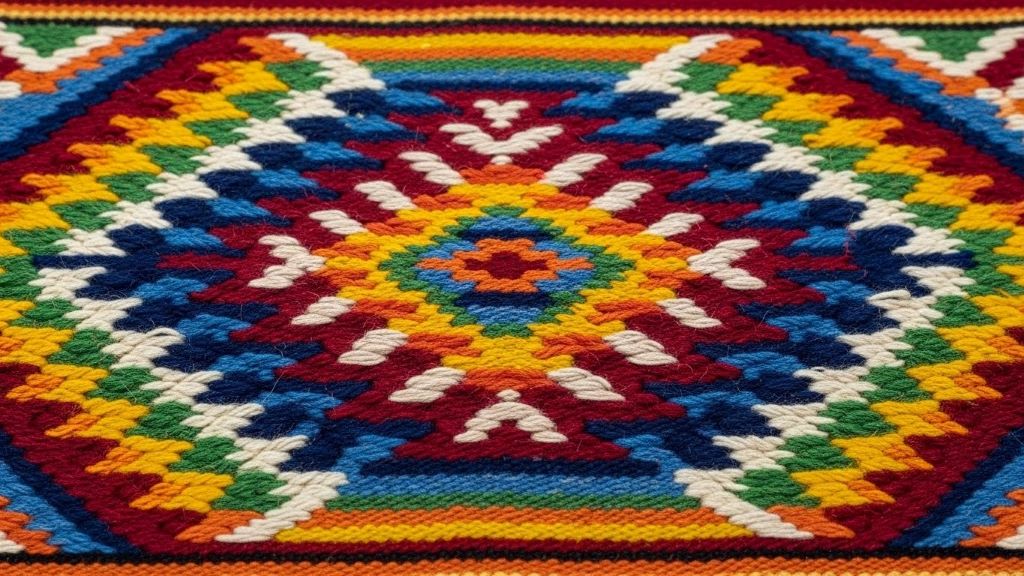
Chiapas artisans excel at brocade weaving, creating highly textured fabrics. This technique involves adding supplementary threads to create raised patterns. The resulting texture resembles embroidery but integrates directly into the weave structure.
Mayan communities in Chiapas preserve ancient brocade patterns. These geometric and figurative designs add significant texture to the fabric surface. Therefore, Chiapas textiles command premium prices in international markets.
Puebla’s Embroidery Heritage
Puebla produces distinctive embroidered textiles with elaborate surface textures. The region’s embroidery traditions blend indigenous and Spanish colonial influences. Artisans create densely embroidered fabrics that almost completely cover the base material.
These heavily textured fabrics require weeks or months to complete. However, the resulting garments showcase extraordinary craftsmanship. Contemporary designers often feature Puebla embroidery as statement pieces in their collections.

Incorporating Traditional Textures into Modern Apparel
Fashion designers worldwide embrace traditional Mexican fabric textures. They recognize these materials offer uniqueness that mass-produced fabrics cannot match.
Contemporary Fashion Applications
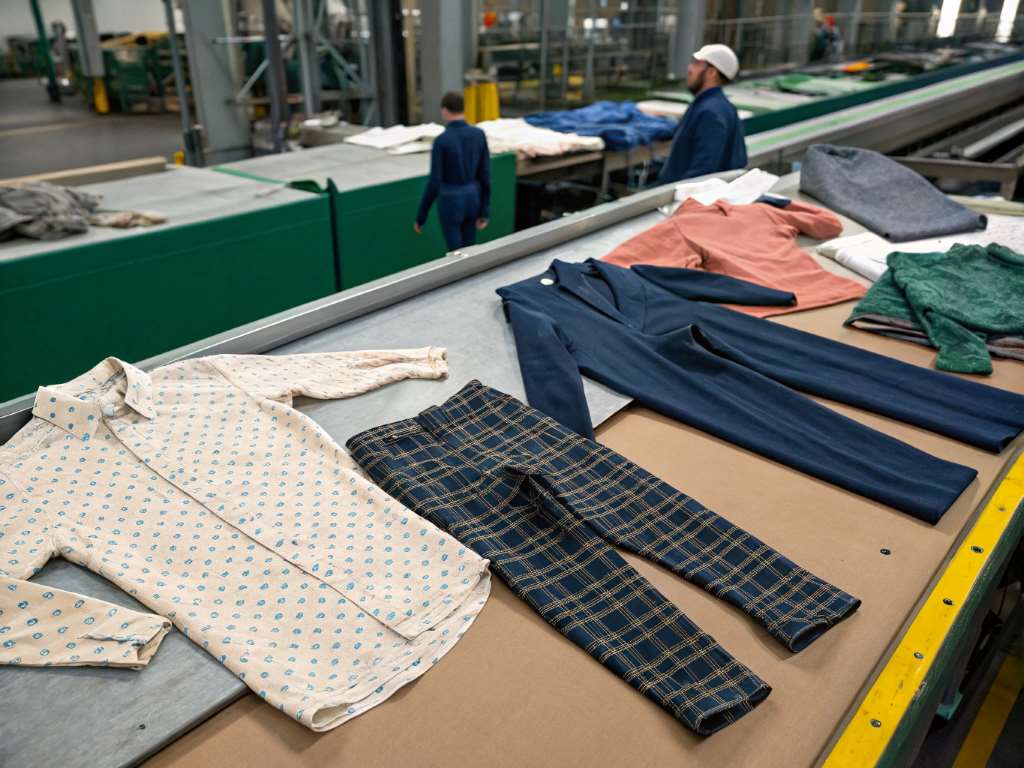
Modern designers integrate Mexican textiles into various garment types. Blazers feature panels of traditional weaving alongside contemporary cuts. Dresses combine handwoven fabrics with modern silhouettes. Additionally, accessories like bags and shoes showcase embroidered textiles.
This fusion respects traditional craftsmanship while creating wearable contemporary pieces. The texture of traditional fabrics adds interest to minimalist modern designs. Therefore, these pieces appeal to consumers seeking authentic, sustainable fashion.
Texture Mixing Techniques
Designers often combine multiple traditional textures in single garments. Smooth cotton weaves contrast with heavily embroidered sections. Wool textures complement lighter cotton elements. This mixing creates visual and tactile interest throughout the garment.
The key lies in balancing different textures without overwhelming the design. Successful pieces highlight each texture’s unique qualities. Furthermore, texture mixing allows designers to showcase multiple regional traditions simultaneously.
Sustainability and Ethical Considerations
Traditional Mexican textile production aligns with modern sustainability values. Handwoven fabrics use minimal energy compared to industrial production. Natural dyes avoid harmful chemicals. Additionally, the slow production process reduces waste.
Supporting Artisan Communities
Purchasing garments made with traditional textiles directly supports indigenous artisans. Many communities rely on textile production as their primary income. Fair trade partnerships ensure artisans receive appropriate compensation for their skilled work.
However, cultural appropriation remains a concern within the fashion industry. The Guardian has reported on instances where major brands copied indigenous designs without permission or payment. Ethical fashion requires collaboration with and proper credit to source communities.
Preserving Traditional Techniques
Younger generations in many communities are learning traditional textile techniques. This knowledge transfer ensures these skills survive for future generations. Supporting traditional textile markets incentivizes young people to continue these practices.
Fashion industry interest has revitalized some struggling textile traditions. Therefore, conscious consumer choices can directly impact cultural preservation efforts.
Care and Maintenance of Traditional Textiles
Garments made with traditional Mexican fabrics require special care. Proper maintenance preserves both the texture and longevity of these pieces.
Handwashing in cool water protects natural dyes and delicate fibers. Avoid harsh detergents that can damage hand-spun threads. Additionally, air-drying prevents shrinkage and maintains the fabric’s original texture. Store these garments flat or carefully folded to prevent stretching.
The Future of Traditional Textures in Fashion
Traditional Mexican fabric textures will continue influencing global fashion trends. Consumers increasingly value authenticity, craftsmanship, and sustainability. These textiles embody all three qualities.
Technology now enables better collaboration between artisans and designers. Digital platforms connect traditional weavers with international fashion houses. However, the core appeal remains the irreplaceable human touch in each handcrafted textile.
Young Mexican designers are reimagining traditional textures for contemporary markets. They honor ancestral techniques while creating fresh, innovative designs. This new generation ensures these textile traditions remain relevant and vibrant.
Conclusion
Traditional Mexican fabric textures represent a living cultural heritage that continues evolving. From ancient weaving techniques to contemporary fashion applications, these textiles bridge past and present. Their distinctive textures, created through generations of refined craftsmanship, offer unmatched authenticity in modern apparel.
The global fashion industry’s growing appreciation for Mexican textiles benefits artisan communities economically. Additionally, it helps preserve endangered traditional techniques. Consumers who choose garments featuring these fabrics participate in cultural preservation while enjoying unique, sustainable fashion.
As we move forward, traditional Mexican fabric textures will undoubtedly remain influential. They remind us that true luxury lies not in perfection, but in the human stories woven into every thread.
Frequently Asked Questions
What makes traditional Mexican fabric textures unique?
Traditional Mexican fabric textures are unique because they result from centuries-old handweaving and embroidery techniques. Each region develops distinct textures based on local materials, climate needs, and cultural traditions. The slight irregularities from handcrafting add character impossible to replicate with machines.
How can I tell if a garment uses authentic traditional Mexican textiles?
Authentic traditional textiles show slight variations in texture and pattern consistency. Look for natural fiber content, hand-stitched details, and irregular edges. Additionally, reputable sellers provide information about the artisan community and production methods. Be wary of perfectly uniform patterns, which usually indicate machine production.
Are traditional Mexican textiles suitable for everyday wear?
Yes, many traditional Mexican textiles are quite durable and suitable for regular use. Cotton weaves breathe well and withstand frequent washing. However, heavily embroidered pieces may require more delicate care. Consider the specific textile type and construction when determining appropriate use.
How do I care for clothing made with traditional Mexican fabrics?
Hand wash traditional Mexican textiles in cool water with mild detergent. Avoid harsh chemicals that can damage natural dyes and fibers. Air-dry flat or hanging to prevent shrinkage. Store folded or hanging carefully to maintain the fabric’s texture and shape.
Why are garments with traditional Mexican textiles more expensive?
The higher cost reflects the intensive handwork involved in creating these textiles. A single piece might require weeks or months to weave and embroider by hand. Additionally, ethical pricing ensures artisans receive fair compensation for their skilled labor. The quality, uniqueness, and cultural significance also contribute to the value.
Related Topics:
What is the Process of Creating Fabric from Pineapple Leather (Piñatex)?