Imagine tossing an old shirt into the recycling bin, hoping it’ll become something new. But what if that shirt, made of cotton and polyester, stumps the recycling process? The challenges of recycling blended fabric garments are real and complex. These fabrics, combining natural and synthetic fibers, are popular for their durability and comfort. However, their mixed nature creates hurdles for recyclers. According to the Textile Exchange, over 60% of garments today use blended fabrics, yet only a fraction are recycled effectively. My own experience sorting through a pile of mixed-material clothes for donation opened my eyes to this issue. This post explores why recycling blended fabric garments is tough and what can be done about it.
Why Blended Fabrics Are Popular
Blended fabric garments, like cotton-polyester mixes, dominate wardrobes for good reasons. They combine cotton’s breathability with polyester’s strength, offering comfort and durability. Additionally, blends resist wrinkles and hold vibrant colors, making them a favorite for everyday wear. For instance, my go-to workout shirt, a cotton-spandex blend, feels soft yet stretches perfectly.
However, their popularity creates a recycling challenge. The Ellen MacArthur Foundation reports that less than 1% of textiles globally are recycled into new clothing. Blends are affordable, versatile, and widely used, but their complex makeup complicates recycling. Natural fibers like cotton biodegrade, while synthetics like polyester don’t. This mix confuses sorting machines and recyclers, leaving many garments in landfills. Understanding why blends are common helps explain the scale of the recycling problem.
The Complexity of Separating Fibers
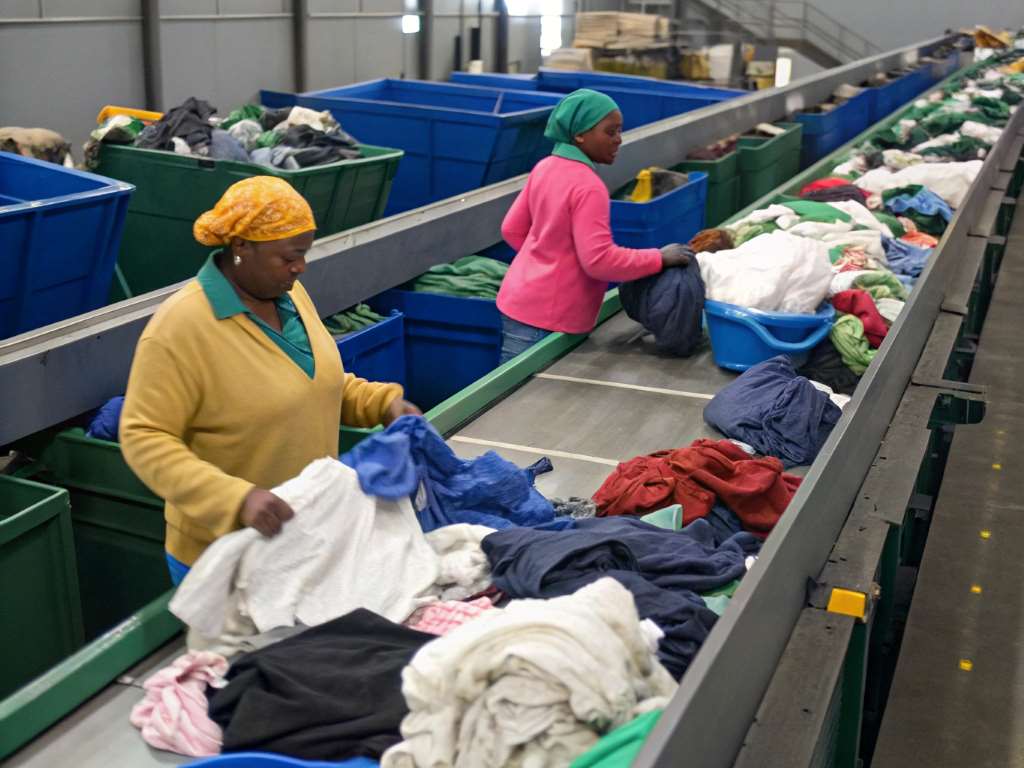
One of the biggest challenges of recycling blended fabric garments is separating their fibers. Cotton and polyester, for example, require different recycling methods. Mechanical recycling shreds cotton but damages polyester, while chemical recycling works for synthetics but not always for natural fibers. Therefore, separating them is labor-intensive and costly.
Manual sorting is impractical for large-scale operations. Automated systems, like near-infrared scanners, struggle to identify blends accurately. A 2023 study by the University of Leeds found that 70% of blended textiles are misidentified during sorting, leading to contamination. I once watched a recycling facility worker explain how a single blended garment could ruin an entire batch of recyclable cotton. Without advanced technology, separating fibers remains a major roadblock.
High Costs and Limited Technology
Recycling blended fabric garments is expensive. Chemical recycling, which breaks down synthetics, requires costly equipment and energy. Additionally, facilities often lack the infrastructure to handle blends at scale. For example, dissolving polyester from cotton demands specialized solvents, driving up costs.
Current technology lags behind the problem’s scale. According to the Global Fashion Agenda, only 12% of textile recycling facilities worldwide can process blended fabrics effectively. Small-scale solutions exist, but they’re not widespread. I recall visiting a local recycling center where workers admitted they sent most blends to landfills due to limited tech. Until investment in recycling tech grows, high costs will hinder progress, leaving blended garments in waste piles.
Environmental Impact of Failed Recycling
When blended fabric garments aren’t recycled, they harm the environment. Synthetic fibers like polyester take hundreds of years to decompose, releasing microplastics into soil and water. Meanwhile, natural fibers like cotton contribute to methane emissions in landfills. This dual impact worsens pollution.
The Environmental Protection Agency states that textiles make up 6% of municipal waste in the U.S., with blends being a significant portion. Poor recycling also wastes resources, as producing new fabrics consumes water and energy. I felt guilty learning my discarded blended jeans could linger in a landfill for centuries. Therefore, addressing the challenges of recycling blended fabric garments is critical to reducing environmental damage and promoting sustainability.
Consumer Awareness and Responsibility
Consumers often don’t realize the challenges of recycling blended fabric garments. Many assume tossing clothes into recycling bins guarantees reuse, but that’s not true for blends. Labels rarely clarify fiber content, leaving shoppers unaware of recycling difficulties. For instance, I once bought a “sustainable” shirt, only to find it was a non-recyclable blend.
Education can help. Campaigns like Fashion Revolution encourage checking labels and choosing single-fiber garments. Additionally, donating only recyclable clothes reduces facility strain. By understanding these challenges, consumers can demand better practices from brands. Simple actions, like buying fewer blends or supporting eco-friendly companies, make a difference. Awareness is the first step toward change.
Innovations Tackling the Challenges
Hope isn’t lost. Innovations are addressing the challenges of recycling blended fabric garments. Chemical recycling technologies, like those from Worn Again Technologies, can separate cotton and polyester efficiently. These methods dissolve one fiber while preserving the other, reducing waste. However, they’re still in early stages.
Other solutions include designing garments for recyclability. Brands like Patagonia create clothes with fewer blends, easing recycling. A 2024 report by McKinsey predicts that scalable recycling tech could handle 70% of blends by 2030. I’ve seen small brands experiment with mono-material designs, inspiring hope. While progress is slow, these innovations show a path forward for sustainable textile recycling.
What Can You Do to Help?
Individuals can tackle the challenges of recycling blended fabric garments through small actions. Start by checking clothing labels before buying. Opt for single-fiber garments, like 100% cotton or wool, which are easier to recycle. Additionally, support brands prioritizing sustainable materials.
Here’s how you can contribute:
- Buy less, choose wisely: Pick durable, recyclable clothes to reduce waste.
- Donate smartly: Ensure donated clothes are recyclable to avoid landfill overflow.
- Spread awareness: Share knowledge about recycling challenges with others.
I started checking labels after learning about blends’ impact, and it changed my shopping habits. By making informed choices, you can push for a future where recycling blended fabrics is easier. Share this article or leave a comment below to join the conversation!
Conclusion
The challenges of recycling blended fabric garments are daunting but not insurmountable. From complex fiber separation to high costs and limited tech, the hurdles are clear. Yet, innovations and consumer awareness offer hope. By understanding these issues, we can make smarter choices, like buying recyclable clothes or supporting eco-friendly brands. The Textile Exchange notes that improving recycling could cut textile waste by 50% by 2030. My journey from tossing mixed fabrics into bins to researching their impact taught me every action counts. Let’s demand better recycling systems and sustainable fashion. Share your thoughts in the comments or spread the word to inspire change!
FAQs
Why are blended fabric garments harder to recycle than single-fiber ones?
Blended fabrics combine materials like cotton and polyester, requiring different recycling methods. Separating them is complex and costly, unlike single-fiber garments.
What technologies are being developed to recycle blended fabrics?
Chemical recycling, like Worn Again’s methods, separates fibers efficiently. However, these technologies are still developing and not widely available.
How can consumers help with recycling blended fabric garments?
Consumers can buy single-fiber clothes, check labels, and donate recyclable items. Supporting sustainable brands also reduces recycling challenges.
What happens to unrecycled blended fabric garments?
Unrecycled blends end up in landfills, where synthetics release microplastics and natural fibers emit methane, harming the environment.
Are there brands designing clothes for easier recycling?
Yes, brands like Patagonia use mono-materials to simplify recycling. More companies are exploring designs that reduce blending for sustainability.