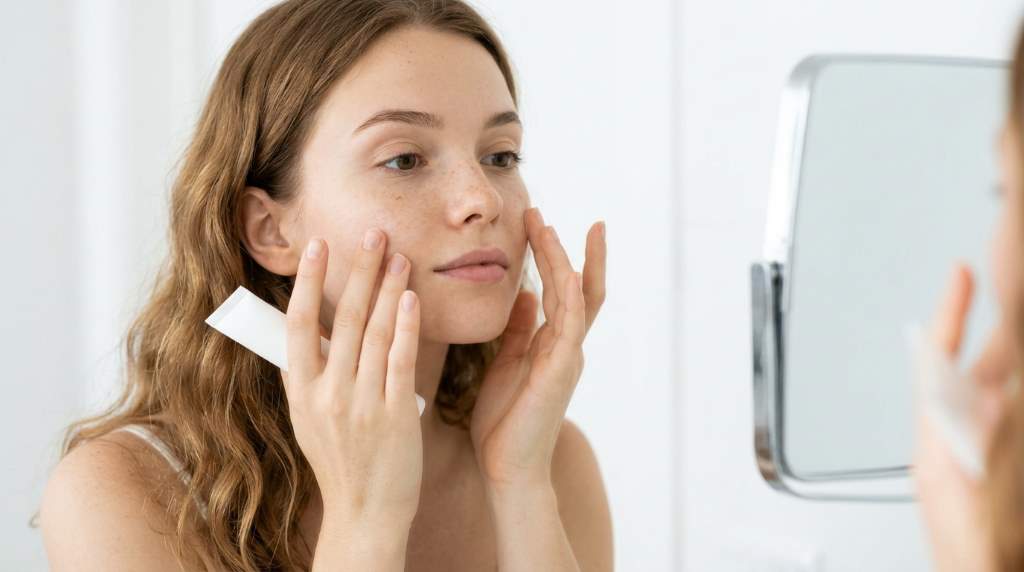
To apply makeup and look natural, start with moisturized skin, sheer complexion products, and precise blending. Use small amounts, build coverage only where needed, and keep eyes, cheeks, and lips softly defined. A natural finish works especially well with today’s simpler beauty routines.
That approach also matches current beauty behavior, as makeup remains the largest prestige beauty category. In 2025, U.S. prestige makeup sales reached $10.1 billion, while hybrid makeup and skincare products continued gaining attention.
Start With Skin, Not Makeup
Natural-looking makeup begins before foundation touches your face. Cleanse gently, apply moisturizer, and give your skincare a few minutes to settle.
Then apply sunscreen during daytime routines, especially when spending time outdoors. Avoid layering too many rich products because excess skincare can make makeup slide.
For an especially polished result, think about skin texture before coverage. Your goal should involve smoothing the appearance of texture, not completely hiding your natural skin.
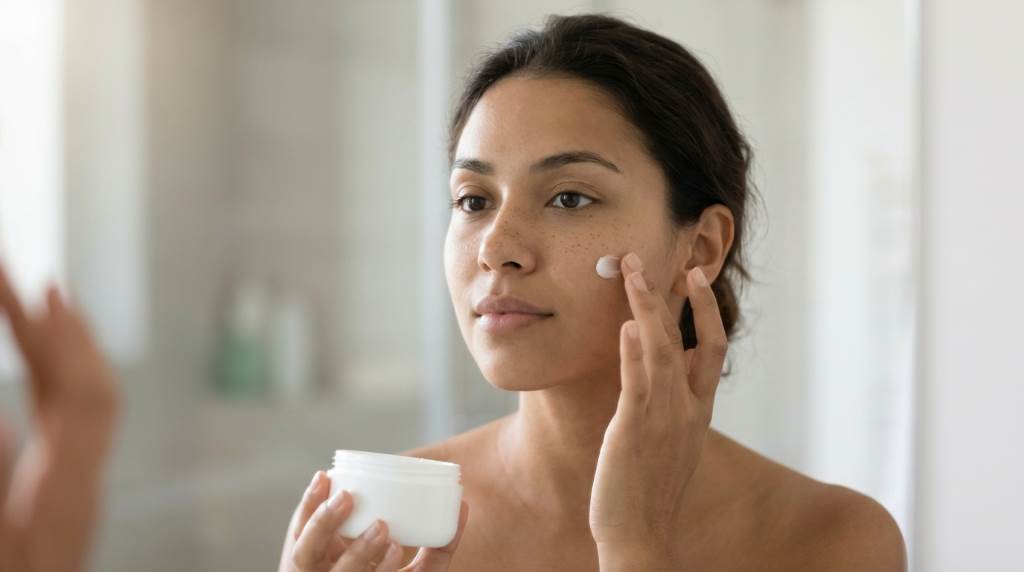
Also, consider your skin type when choosing formulas:
- Dry skin: Choose moisturizing, flexible complexion formulas.
- Oily skin: Choose lightweight products with controlled shine.
- Combination skin: Balance hydration with targeted oil control.
- Sensitive skin: Keep the routine simple and avoid unnecessary layers.
Build A Barely-There Complexion
Natural makeup depends more on placement than product quantity. A lightweight skin tint, sheer foundation, or tinted moisturizer can even your complexion without masking it.
For inspiration, even historical men’s grooming in Rome shows how grooming has long emphasized intentional presentation. Today, the same principle works through restraint and careful application.
Use Concealer Only Where Needed
Apply concealer beneath the inner eyes, around the nose, and over noticeable blemishes. Instead of creating a full layer, tap the edges outward until they disappear.
Choose a concealer close to your skin tone for blemishes. For under-eyes, select a slightly brighter shade only when you want subtle illumination.
Next, inspect your face from different angles. If you can clearly see where makeup begins and ends, blend those borders again.
Let Some Skin Show
Visible skin creates much of the realism people associate with natural makeup. Therefore, avoid covering freckles, beauty marks, and every minor variation unless you genuinely want coverage.
Set only areas that crease or become noticeably oily. A small amount of translucent powder around the nose and under-eyes usually provides enough control.
Shape The Face With Soft Color
Once your complexion looks even, add warmth and color gradually. Cream and liquid formulas often blend seamlessly because they mimic the flexibility of skin.
Current beauty trends also favor multifunctional products that combine cosmetic color with skincare benefits. This makes a sheer cheek tint or tinted balm particularly useful for a natural routine.
Apply Blush Where Your Face Naturally Flushes
Smile gently, then place blush slightly above the fullest part of your cheeks. Blend toward your temples rather than dragging color downward.
Peach, rose, berry, and muted coral shades can all look natural when applied lightly. However, your best shade depends on your undertone and natural coloring.
Use Bronzer Strategically
Bronzer should suggest warmth rather than create obvious stripes. Sweep a small amount across the forehead, cheek perimeter, and jawline.
Keep the strongest color near areas where sunlight naturally reaches. Then soften everything with a clean brush or damp sponge.
Make Your Eyes Look Naturally Defined
Natural eye makeup should enhance your existing shape instead of redesigning it. Start with groomed brows, curled lashes, and a soft neutral shadow.
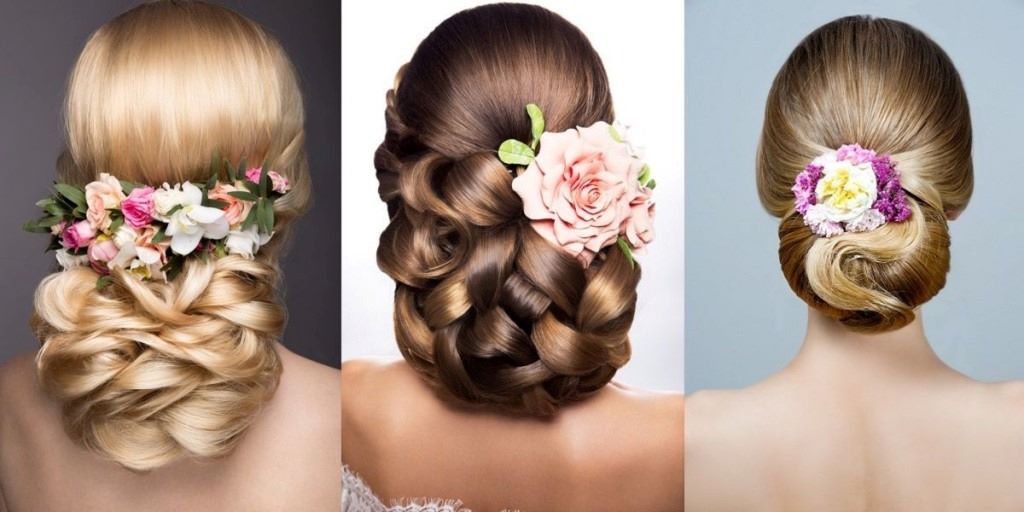
For event inspiration, these winter wedding hairstyles demonstrate why balanced beauty styling works better than competing focal points. Keep your eye makeup similarly restrained when you want an effortless appearance.
Keep Brows Soft
Brush brow hairs upward before filling sparse areas. Use a fine pencil or powder that matches your brow depth rather than choosing an overly dark shade.
Draw tiny strokes that imitate individual hairs. Finish with clear or tinted brow gel to hold the shape without creating a rigid finish.
Choose Subtle Eye Definition
Apply a beige, taupe, soft brown, or muted rose shadow through the crease. Then blend the edges until you cannot identify a hard boundary.
For liner, work a brown pencil close to the upper lash line. Smudge it slightly instead of creating a thick, sharply defined wing.
Finally, curl your lashes and apply one or two light mascara coats. Concentrate product near the roots while keeping the tips relatively clean.
Finish With Natural-Looking Lips
Soft lips complete the illusion because they add color without creating an obvious makeup boundary. Start with lip balm, then remove excess shine before adding pigment.
Choose a lip liner close to your natural lip color when you need definition. Fill lightly toward the center, then apply a tinted balm, gloss, or sheer lipstick.
For a softer result, tap lipstick onto your lips with your fingertip. This creates diffused color that looks less deliberate than a sharply outlined lip.
Use The Right Tools For Seamless Blending
Your application technique can matter more than buying expensive products. Clean brushes, a damp sponge, and a small concealer brush can handle most everyday looks.
Use a sponge when you want a diffused complexion. Use brushes when you need controlled placement, especially around the eyes and nose.
Clean your frequently used tools regularly to reduce product buildup. Dirty tools can also interfere with smooth application and make blending unnecessarily difficult.
A Simple Tool Guide
- Foundation brush: Use for controlled, even complexion coverage.
- Damp sponge: Use for sheer, skin-like blending.
- Small concealer brush: Use around blemishes and narrow areas.
- Angled brow brush: Use for precise brow definition.
- Fluffy blush brush: Use for soft, diffused cheek color.
Make Natural Makeup Last Longer
Long-lasting makeup does not require heavy layers. Instead, create thin layers and allow each product to settle before adding another.
After applying complexion products, lightly powder only areas that need extra control. Then finish with setting spray if your makeup tends to fade during the day.
Carry a tissue or blotting paper for midday touch-ups. Press gently instead of rubbing, which can disturb your carefully blended base.
If hair shedding affects your overall beauty routine, consider this practical guide on how to stop hair shedding fast. Coordinating healthy hair and understated makeup can create a more cohesive appearance.
Common Mistakes That Make Makeup Look Less Natural
Most unnatural results come from excessive product, poor shade matching, or insufficient blending. Fortunately, these problems usually require technique changes rather than an entirely new makeup collection.
- Too much foundation: Reduce the amount and build coverage selectively.
- Wrong undertone: Match foundation to your neck and jaw area.
- Heavy concealer: Apply less product and blend the edges thoroughly.
- Overdrawn brows: Replace solid blocks with short, hair-like strokes.
- Harsh contour: Choose softer color and blend beyond the visible edge.
- Excess powder: Set only areas that genuinely need oil control.
- Heavy mascara: Remove excess product before applying another coat.
- Sharp lip edges: Diffuse the perimeter with a fingertip or small brush.
A Five-Minute Natural Makeup Routine
When time feels limited, prioritize the features that change your appearance most. Skin, brows, cheeks, lashes, and lips can create a polished result without a full routine.
Follow this streamlined order:
- Moisturize and apply daytime sunscreen.
- Apply a sheer skin tint where needed.
- Conceal only visible discoloration or blemishes.
- Add a small amount of blush.
- Brush and lightly define your brows.
- Curl lashes and apply mascara.
- Finish with tinted balm or sheer lip color.
Then step away from the mirror for a moment. Natural makeup often looks better after you stop adding products and let the overall balance speak for itself.
How To Choose Shades That Look Natural
Shade selection should follow your skin rather than seasonal trends. Test complexion products along the jawline and check them under natural daylight whenever possible.
For blush, compare shades against the color your cheeks develop naturally. For lips, choose tones that resemble your own lip color when you want the most understated finish.
Also, remember that oxidation can change how some complexion products appear after application. Give a foundation several minutes before deciding whether its final shade works.
Natural Makeup For Different Occasions
A natural look can adapt to workdays, casual outings, dinners, and formal events. The difference usually comes from intensity rather than completely different techniques.
- Workday: Keep coverage sheer and eyes softly defined.
- Casual day: Add cream blush and tinted lip balm.
- Date night: Increase mascara and lip definition slightly.
- Formal event: Build coverage gradually while retaining visible skin.
- Outdoor plans: Prioritize sunscreen, lightweight layers, and touch-up products.
For photographs, slightly stronger definition can prevent features from disappearing. Nevertheless, keep transitions soft so your makeup still looks natural in person.
Final Check Before You Leave
Before leaving home, inspect your makeup near a window or under neutral lighting. Check your jawline, hairline, brows, under-eyes, and lip edges for visible buildup.
Then ask one simple question: does the makeup enhance your face without becoming the first thing people notice? If yes, you have achieved the natural effect.
Conclusion
Learning how to apply makeup and look natural comes down to restraint, placement, and thoughtful blending. Start with healthy-looking skin, use thin layers, define features softly, and stop before the makeup becomes obvious.
Try this routine with the products you already own before buying anything new. With practice, you can create a polished everyday look that feels comfortable, modern, and genuinely like you.
FAQs
How do I make foundation look natural?
Apply a thin layer, blend thoroughly, and add coverage only where your skin needs it.
Should I use powder for natural makeup?
Yes, but apply it selectively to areas that crease, shine, or require additional longevity.
What makes makeup look cakey?
Heavy layers, excessive powder, dry skin, and insufficient blending commonly create a cakey appearance.
How can I make my eyes look naturally bigger?
Curl your lashes, apply mascara mainly at the roots, and use a soft neutral shadow.
Can natural makeup still cover blemishes?
Yes, spot-conceal blemishes while keeping the surrounding skin lightly covered for a realistic finish.