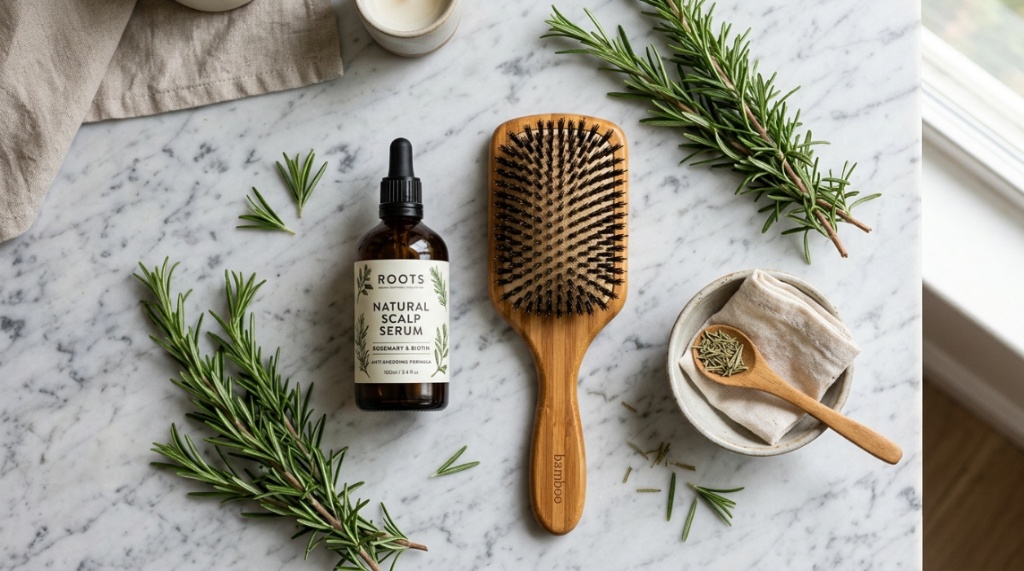
You run your fingers through your hair, and a few strands come loose. Then you check your brush, and the clump is larger than it was last week. That sudden spike in hair loss can feel alarming, leaving you searching for ways to stop hair shedding fast before things get worse. The good news is that while everyone sheds 50 to 100 hairs daily as part of the natural growth cycle, excessive shedding (telogen effluvium) is often reversible with targeted action. This guide walks you through science-backed strategies to reduce hair fall quickly, address root causes, and strengthen strands so you can regain control and confidence.
What Is Normal Hair Shedding vs. Excessive Hair Loss?
Normal shedding is part of your hair’s lifecycle, but when it spikes suddenly, it signals an underlying issue that needs a targeted fix.
Understanding the Hair Growth Cycle
Your hair goes through three phases: anagen (growth), catagen (transition), and telogen (resting). At any given time, about 10 percent of your hair is in the telogen phase, which means daily shedding is entirely normal. You can expect to lose 50 to 100 strands per day. Anything significantly above that is considered excessive and may require intervention.
Telogen Effluvium Explained
Telogen effluvium is a temporary condition where a physical or emotional stressor pushes a large number of hair follicles into the resting phase simultaneously. This often occurs about three months after the triggering event. Common causes include major surgery, significant weight loss, childbirth, or high stress levels. The good news: it’s typically reversible once you address the root cause.
When to Seek Professional Help
If you notice bald patches, sudden clumps falling out, or shedding that persists beyond six months, consult a dermatologist. Conditions like alopecia areata, thyroid disorders, or hormonal imbalances require medical diagnosis. Quick, temporary shedding often responds well to home care and lifestyle adjustments.
Why Is My Hair Shedding So Much Right Now?
Pinpointing the trigger is your first step because the right solution depends entirely on what started the problem.
Stress as a Primary Trigger
High cortisol levels from chronic stress or acute trauma can push hair follicles out of the growth phase. You might not notice the fallout until three months later. Managing stress through meditation, adequate sleep, and exercise can help reduce cortisol and slow shedding within weeks.
Nutritional Deficiencies That Accelerate Shedding
Your hair needs specific nutrients to grow. Low iron, zinc, vitamin D, and biotin levels are strongly linked to increased shedding. A simple blood test can reveal deficiencies. Supplementing with the right vitamins, under a doctor’s guidance, often produces visible improvement within two to three months.
Hormonal Fluctuations and Shedding
Postpartum shedding, menopause, thyroid imbalances, and stopping birth control pills can all trigger widespread hair loss. These shifts affect estrogen and progesterone levels, which influence hair cycle timing. If you suspect hormones, ask your doctor for a thyroid panel and hormone screening.
How Can I Reduce Hair Shedding in One Week?
While you can’t regrow lost strands in seven days, you can implement rapid interventions that minimize ongoing fallout.
Step 1: Switch to a Gentle Shampoo Routine
Harsh sulfates and aggressive scrubbing can pull out telogen hairs prematurely. Use a sulfate-free, pH-balanced shampoo, and lather with gentle pressure. Limit washing to two or three times per week, as overwashing strips natural oils and stresses follicles. Pat your hair dry with a microfiber towel instead of rubbing.
Step 2: Add Scalp Massage and Circulation
Massaging your scalp for two minutes daily stimulates blood flow to hair follicles, delivering oxygen and nutrients essential for growth. Use your fingertips in small, circular motions. Some studies suggest this reduces shedding by strengthening hair roots over time. Pair this with a few drops of rosemary oil, which shows promise in improving circulation.
Step 3: Choose the Right Supplements
Iron and vitamin D deficiency are among the most common causes of sudden shedding. Start with a high-quality multivitamin that includes at least 18 mg of iron (if you are deficient), 600 IU of vitamin D, and biotin. Combined with a nutrient-dense diet, these can support your hair’s shift back to the growth phase.
Which Ingredients Are Proven to Stop Hair Shedding Fast?

Certain active ingredients have strong clinical backing for reducing hair fall when used consistently.
Minoxidil: The Gold Standard
Minoxidil (often sold under Rogaine) is an FDA-approved topical treatment that extends the anagen phase, reducing shedding and promoting regrowth. You may see results after three to six months of twice-daily application. It is effective for hereditary hair loss and stress-induced shedding when other causes are addressed.
Caffeine and Peptides
Caffeine-based shampoos and serums block the effects of dihydrotestosterone (DHT), a hormone that shrinks follicles. Peptides like copper tripeptide-1 improve follicle size and reduce shedding. Look for products that combine these with niacinamide for a comprehensive approach.
Essential Oils That Work
Rosemary oil, peppermint oil, and cedarwood oil have shown results comparable to minoxidil in some research. They work by increasing local blood flow and reducing inflammation. For best results, dilute two to three drops in a carrier oil (like jojoba or coconut oil) and apply directly to the scalp twice weekly.
Can Diet Alone Fix Excessive Hair Shedding?
Diet is a cornerstone, but it works best when combined with other targeted strategies. Your hair follicles are among the most metabolically active cells in your body, so they demand consistent, high-quality fuel.
Iron-Rich Foods for Hair Follicles
Iron deficiency is a major culprit in increased shedding. Incorporate lean red meat, spinach, lentils, and fortified cereals into your meals. Pair iron-rich foods with vitamin C (like citrus or bell peppers) to boost absorption. A simple fix: a handful of strawberries with your spinach salad.
Zinc and Biotin Powerhouses
Zinc regulates oil glands and supports hair follicle health. Oysters, pumpkin seeds, and beef are excellent sources. Biotin strengthens keratin, the protein that builds hair. Eggs, almonds, and sweet potatoes offer ample amounts. Deficiencies in either can cause brittle strands and increased fall.
Protein Intake for Hair Structure
Hair is composed mostly of keratin, a protein. Without enough dietary protein, hair growth slows, and strands become thin and weak. Aim for 0.5 to 0.8 grams of protein per pound of body weight daily. Chicken, fish, eggs, beans, and Greek yogurt are excellent choices.
How Does Stress Management Stop Hair Shedding Fast?
Stress management is not just feel-good advice—it directly affects hormone levels that control hair cycles. Persistent high cortisol (the primary stress hormone) can keep hair in the telogen (shedding) phase longer than normal. By lowering cortisol, you give your follicles permission to re-enter the growth phase.
Effective Stress Reduction Techniques
Deep breathing exercises, moderate cardiovascular exercise (like 20-minute walks), and quality sleep of seven to eight hours per night all reduce cortisol. Even five minutes of mindfulness daily can create measurable changes in stress markers that benefit your hair.
Sleep’s Role in Hair Recovery
During deep sleep, your body produces melatonin, a hormone that also protects hair follicles from oxidative stress. Poor sleep disrupts this cycle, worsening shedding. Prioritize a consistent sleep schedule and a dark, cool bedroom environment to support your hair’s overnight repair processes.
Which Hair Care Habits Worsen Shedding?
Small, seemingly harmless habits can accelerate hair fall, especially when you are already shedding.
Aggressive Brushing and Combing
Many people believe 100 brush strokes a day were healthy, but this can rip out fragile telogen hairs. Use a wide-tooth comb on damp hair, starting from the ends and working upward. Avoid pulling tight ponytails or buns that place constant tension on follicles, which can cause traction alopecia.
Heat Styling and Chemical Treatments
High heat from straighteners, curling irons, and blow dryers weakens the protein structure of hair, making it more likely to break. Limit heat styling to once weekly and always use a heat protectant. Chemical relaxers, perms, and bleach also damage the hair shaft, leading to breakage that mimics shedding.
Over-Washing and Wrong Water Temperature
Washing your hair too often strips natural sebum, leading to a dry, irritated scalp that can increase shedding. Hot water further damages follicles. Wash with lukewarm water, finish with a cool rinse to seal the cuticle, and never wash more than every two to three days unless your hair is very oily.
When Should I See a Doctor for Hair Shedding?
While most cases of shed hair resolve on their own, certain signs warrant professional evaluation. If you notice bald patches, rapid and patchy hair loss, or associated symptoms like fatigue, weight changes, or skin issues, visit a dermatologist. They can perform a scalp biopsy or blood work to diagnose underlying conditions such as androgenetic alopecia, autoimmune disorders, or thyroid disease. Early intervention yields the best outcomes.
What Are the Best Affordable Solutions for Hair Shedding?
You do not need expensive treatments to make meaningful progress. In fact, many effective options are budget-friendly and available without a prescription. Look for products that combine proven ingredients like minoxidil, caffeine, and scalp-nourishing vitamins. A great place to start is exploring serums that actively stop hair shedding fast without breaking the bank. Quality serums containing DHT blockers and peptides can be surprisingly affordable when you shop around.
DIY Scalp Treatments You Can Make at Home
Simple kitchen ingredients can support your efforts. A weekly treatment of onion juice (rich in sulfur) or green tea (packed with antioxidants) can reduce inflammation and strengthen follicles. Rinse thoroughly to avoid odor. These remedies complement professional products but are not substitutes for medical care.
Can Medications for Hair Shedding Cause Side Effects?
Yes, but side effects are often mild and manageable. Minoxidil may cause scalp irritation or temporary increased shedding in the first few weeks. This initial “shed” is a sign the product is working, as it encourages old hairs to fall out and make way for new growth. Finasteride, an oral medication for male hair loss, can cause sexual side effects in some men. Always discuss potential side effects with your doctor before starting medication.
How Long Before I See Results from My Efforts?
Patience is critical, but realistic timelines vary. For dietary and lifestyle changes, expect three to six months before you see reduced shedding and new growth. Minoxidil users often notice improvement after three to four months. Stress-induced shedding may resolve within six months of removing the trigger. Consistency matters more than perfection—stick with your routine through the waiting period.While working on your routine to stop hair shedding fast, you might also be planning your seasonal looks—explore our guide on winter wedding hairstyles for chic and cozy inspiration that keeps your strands secure.
Tracking Progress Without Obsession
Instead of counting every strand, take monthly photos in consistent lighting. Check the part line and hairline density. A reduction in hair on your pillow or in the shower drain is a positive sign. If you see no improvement after six months of consistent effort, reassess with a professional.
Is There a Link Between Scalp Health and Shedding?
Absolutely. An unhealthy scalp creates a poor environment for hair growth. Dandruff, inflammation, or clogged follicles can all accelerate shedding.
Scalp Exfoliation for Better Growth
Exfoliating once a week removes dead skin cells and product buildup that can block follicles. Use a gentle physical scrub or a chemical exfoliant containing salicylic acid. Follow with a hydrating conditioner. A clean, well-oxygenated scalp is essential for reducing shedding.
Hydrating the Scalp
A dry scalp can become inflamed, triggering hair loss. Use a lightweight, alcohol-free hydrating spray or a few drops of squalane oil to maintain moisture balance. Avoid heavy oils that can clog pores if you have a tendency toward acne or scalp buildup.
Frequently Asked Questions
How much hair shedding per day is normal?
Between 50 and 100 strands per day is normal. Counting every strand is unnecessary, but if you notice clumps on your pillow or brush, it may be excessive.
Does washing hair less often reduce shedding?
Washing too often or too infrequently can both be problematic. Washing two to three times per week with a gentle shampoo is ideal for most hair types, as it removes buildup without stripping oils.
Can stress cause hair to fall out instantly?
No, stress-induced hair loss (telogen effluvium) typically occurs three months after the stressful event. It is rarely immediate. Managing stress now can protect your hair in the coming months.
Is hair shedding reversible without medication?
Often, yes. If shedding is caused by stress, diet, or temporary health issues, it usually resolves once the root cause is addressed. Supplements, diet changes, and gentle hair care habits are effective for many people.
Do biotin supplements stop hair shedding?
Biotin helps strengthen existing hair, but it is not a cure for shedding unless a serious deficiency exists. It is most effective when combined with other vitamins and a healthy diet.
Can menopause cause sudden hair shedding?
Yes, decreasing estrogen levels during menopause can disrupt the hair cycle, causing increased shedding. Hormone replacement therapy or topical treatments may help; consult a specialist.
When does postpartum hair shedding stop?
Postpartum shedding usually peaks around three to four months after delivery and resolves within six months. If shedding continues beyond this, consult a dermatologist for evaluation.