Shopping secondhand for designer bags is thrilling, like hunting for hidden treasure. The allure of finding a luxury item at a fraction of the cost is hard to resist. However, the risk of stumbling upon counterfeit designer bags lurks in the pre-loved market. According to a 2023 report by the OECD, counterfeit goods account for 3.3% of global trade, with luxury bags being a prime target. My own journey began when I scored what I thought was a vintage Chanel bag, only to learn it was a fake. This guide will share tips to spot counterfeit designer bags when shopping secondhand, saving you from costly mistakes. Let’s dive into the world of authentic luxury.
Why Counterfeit Designer Bags Are a Growing Concern
The secondhand luxury market is booming, with platforms like The RealReal and Vestiaire Collective thriving. However, counterfeit designer bags flood these spaces, deceiving even savvy shoppers. The rise in fakes stems from advanced manufacturing techniques that mimic authentic designs closely. A 2022 study by Entrupy, a luxury authentication service, found that 15% of handbags submitted for verification were counterfeit. This statistic highlights the need for caution.
Spotting fakes protects your wallet and supports ethical shopping. Counterfeit goods often fund illegal activities, impacting legitimate brands. My near-miss with a fake Gucci bag taught me to scrutinize details. By learning key identifiers, you can confidently navigate the secondhand market and avoid scams.
Check the Stitching and Craftsmanship
Authentic designer bags showcase impeccable craftsmanship, a hallmark of luxury. Examine the stitching closely; genuine bags have even, tight stitches with no loose threads. Counterfeit designer bags often reveal sloppy stitching or uneven patterns. For instance, Louis Vuitton bags feature precise, symmetrical stitches, typically five per inch.
Run your fingers over the seams. Authentic bags feel smooth and sturdy, while fakes may have rough or uneven edges. I once passed on a “Prada” bag because the stitching looked rushed, a red flag confirmed by an authenticator. Always compare the bag’s craftsmanship to official brand images on sites like PurseBlog for reference. Quality is non-negotiable in luxury.
Inspect the Hardware and Logos
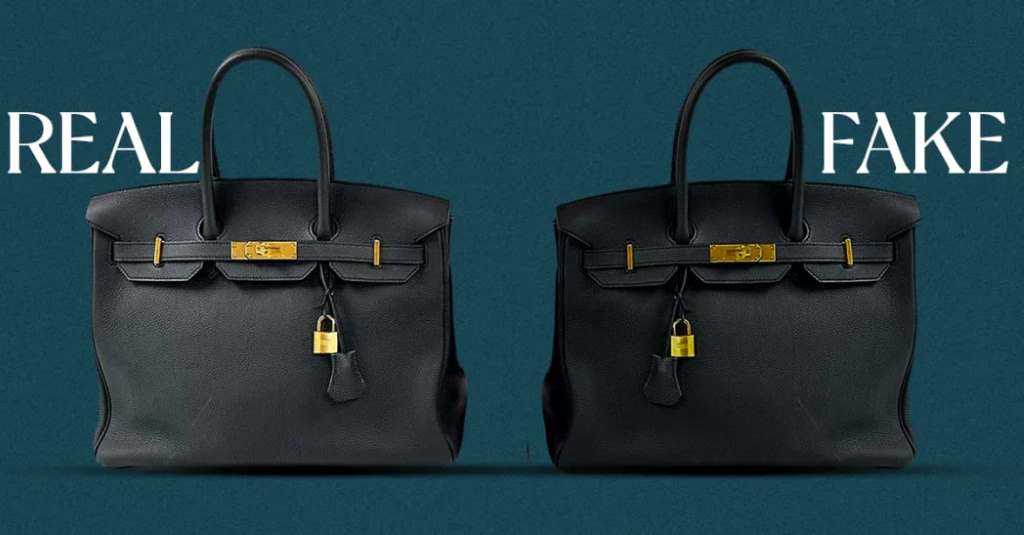
Designer bags boast high-quality hardware, like zippers and clasps, that feel heavy and durable. Counterfeit designer bags often use cheap, lightweight metal that tarnishes quickly. Check for brand-specific details, such as engraved logos or unique zipper pulls. For example, Chanel bags have zippers with interlocking CC logos, a detail fakes often miss.
Logos are another telltale sign. Authentic logos are crisp, evenly spaced, and correctly proportioned. Fakes may have blurry or misaligned logos. When I examined a suspect Hermès bag, the logo’s font was slightly off, raising doubts. Cross-check logos with images from the brand’s official website, like Gucci, to ensure accuracy. These details separate real from fake.
Verify the Serial Numbers and Authenticity Cards
Most designer bags come with serial numbers or authenticity cards, critical for verification. These are often found inside the bag, on a leather tab or lining. Counterfeit designer bags may lack these or have poorly printed numbers. For instance, Coach bags have serial numbers with specific formats tied to their production year.
Always request the authenticity card and cross-reference the serial number with the brand’s customer service. My friend once bought a “Burberry” bag without a serial number, later confirmed as fake. If the seller hesitates to provide these details, walk away. Legitimate sellers proudly share proof of authenticity, ensuring your purchase is genuine.
Examine the Materials and Lining
Luxury bags use premium materials, like full-grain leather or high-quality canvas, that feel luxurious to the touch. Counterfeit designer bags often use synthetic leather or cheap fabric that feels stiff or plasticky. For example, a genuine Fendi bag uses soft, pebbled leather, while fakes may feel waxy.
The lining is equally telling. Authentic bags feature smooth, branded linings with consistent patterns. Fakes often have generic or poorly stitched linings. I once spotted a fake Michael Kors bag because the lining was plain cotton, unlike the brand’s signature logo fabric. Touch and inspect the materials closely to confirm authenticity.
Research the Seller’s Reputation
The seller’s credibility is crucial when shopping secondhand. Reputable platforms like The RealReal authenticate items before listing, but individual sellers on eBay or Poshmark require scrutiny. Check reviews, ratings, and return policies. A 2021 report by the Better Business Bureau noted a surge in complaints about counterfeit goods from unverified sellers.
Ask for detailed photos and receipts. My experience with a dubious seller taught me to verify their history. If they dodge questions or pressure you to buy quickly, it’s a red flag. Stick to trusted platforms or sellers with transparent records to minimize the risk of buying fakes.
Know the Brand’s Signature Details
Each designer brand has unique features that fakes struggle to replicate. For example, Dior bags feature specific quilting patterns, while Bottega Veneta’s intrecciato weave is handcrafted with precision. Counterfeit designer bags often miss these nuances, like incorrect logo placement or mismatched patterns.
Study the brand’s heritage before buying. I avoided a fake Balenciaga bag by noticing the wrong font on the logo tag. Use brand websites or forums like PurseBlog to learn these details. Familiarity with a brand’s signature elements empowers you to spot fakes with confidence.
Use Authentication Services for Peace of Mind
If you’re unsure about a bag’s authenticity, professional authentication services offer certainty. Services like Entrupy or Authenticate First use advanced technology to verify luxury items. Their reports provide detailed analyses, giving you confidence in your purchase. Entrupy’s 2023 data showed a 98% accuracy rate in detecting fakes.
I once used an authentication service for a vintage YSL bag, saving me from a costly mistake. While these services cost a small fee, they’re worth it for high-value purchases. Always opt for authentication when buying from lesser-known sellers to ensure your bag is genuine.
Conclusion
Navigating the secondhand market for designer bags is an adventure filled with rewards and risks. By mastering how to spot counterfeit designer bags when shopping secondhand, you can secure authentic luxury without breaking the bank. From checking stitching to verifying serial numbers, each step builds your confidence. My own missteps taught me to prioritize quality and research, ensuring smarter purchases. With counterfeits becoming more sophisticated, vigilance is key. Use these tips to shop wisely and enjoy the thrill of finding a genuine gem. Share your secondhand shopping stories in the comments or spread this guide to help others shop smart! Have you ever spotted a fake designer bag? Share your tips or experiences in the comments below, or share this article with fellow bargain hunters!
FAQs
How can I tell if a designer bag is fake by its stitching?
Authentic bags have even, tight stitching with no loose threads. Counterfeits often show sloppy or uneven stitches. Check for brand-specific stitch counts, like Louis Vuitton’s five stitches per inch.
Are authenticity cards always included with designer bags?
Most authentic bags include authenticity cards or serial numbers, but older models may not. Verify with the brand’s customer service if these are missing to confirm legitimacy.
Can I trust secondhand platforms to sell authentic bags?
Reputable platforms like The RealReal authenticate items, but individual sellers on sites like eBay may not. Always check seller reviews and request proof of authenticity.
What materials should I check to spot a counterfeit bag?
Genuine bags use premium leather or canvas, feeling soft and luxurious. Fakes often use synthetic materials that feel stiff or plasticky. Inspect the lining for brand-specific patterns.
Are authentication services worth the cost?
Yes, services like Entrupy offer 98% accuracy in detecting fakes, per 2023 data. They’re ideal for high-value purchases, ensuring peace of mind and protecting your investment.