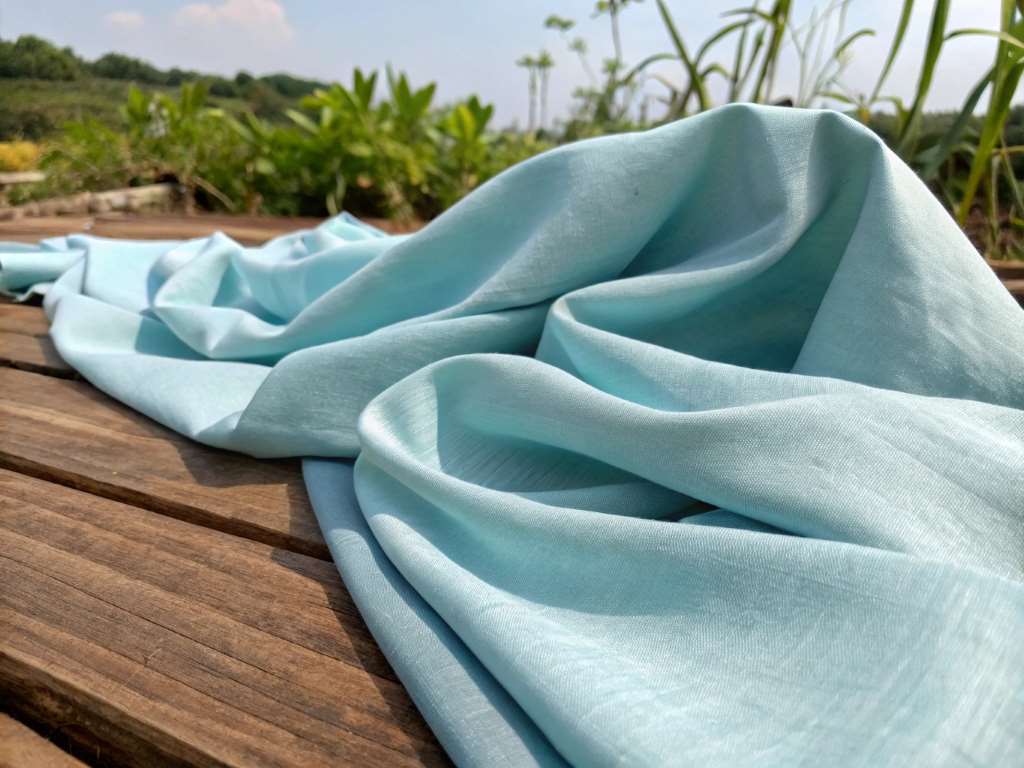
When I first noticed a tear in my favorite denim jacket, my heart sank. Instead of tossing it, I decided to mend it, sparking my journey to build a zero-waste mending kit for clothes. Fast fashion contributes to 10% of global carbon emissions, according to a 2019 UN report, making mending a small but powerful act for sustainability. A zero-waste mending kit helps you repair clothes with minimal environmental impact, using reusable or natural materials. This guide will walk you through creating your own kit, sharing practical tips and personal insights to make mending fun and eco-friendly. Let’s dive into how to build a zero-waste mending kit for clothes and give your wardrobe a sustainable makeover.
Why Mending Matters for Zero-Waste Living
Mending clothes extends their life, reducing waste and the need for new purchases. The average person discards 70 pounds of clothing annually, per a 2021 EPA study, much of which ends up in landfills. By repairing tears or worn patches, you cut down on textile waste and save money. Plus, mending fosters creativity, turning old garments into unique pieces.
My first mending project was a pair of jeans with a ripped knee. Instead of buying new ones, I patched them with fabric scraps, giving them a fresh look. This small act felt empowering, knowing I was reducing my environmental footprint. Building a zero-waste mending kit for clothes lets you embrace this sustainable practice, making it easy to repair and reuse your wardrobe with minimal waste.
Essential Tools for Your Zero-Waste Mending Kit
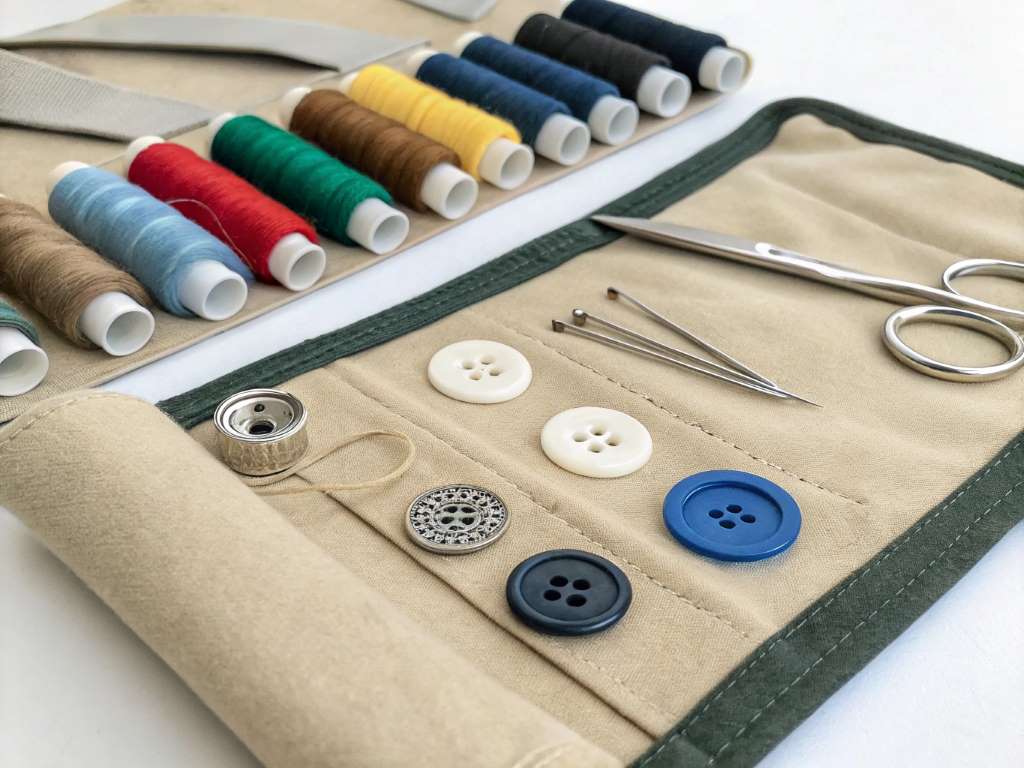
To build a zero-waste mending kit for clothes, prioritize reusable, eco-friendly tools. Start with the basics to tackle most repairs. Here’s what you need:
- Needles: Choose durable, stainless steel needles in various sizes for different fabrics.
- Threads: Opt for organic cotton or hemp threads, avoiding synthetic options.
- Scissors: Invest in sharp, high-quality scissors for precise cuts, ideally secondhand.
- Thimble: A metal or bamboo thimble protects fingers during hand-sewing.
- Fabric Scraps: Collect cotton or linen scraps from old clothes for patches.
These tools are sustainable and long-lasting, minimizing waste. For example, I sourced my scissors from a thrift store, saving money and resources. According to a 2020 study by the Ellen MacArthur Foundation, extending clothing life by nine months reduces carbon emissions by 20%. Your zero-waste mending kit ensures you’re equipped to make repairs that matter.
Sourcing Sustainable Materials
Finding eco-friendly materials is key to building a zero-waste mending kit for clothes. Look for natural fibers like cotton, linen, or wool for threads and patches. Avoid synthetic materials like polyester, which contribute to microplastic pollution. Check thrift stores, local markets, or even your closet for fabric scraps from old shirts or linens.
When I started mending, I raided my grandmother’s sewing box for cotton threads and repurposed an old skirt for patches. This not only saved money but also felt meaningful, connecting me to family traditions. Additionally, consider biodegradable options like wooden buttons or plant-based dyes for decorative repairs. Sourcing sustainably ensures your kit aligns with zero-waste principles, making every stitch a step toward a greener planet.
Organizing Your Mending Kit for Efficiency
A well-organized zero-waste mending kit for clothes makes repairs quick and enjoyable. Use a repurposed container, like a metal tin or wooden box, to store your tools. Sort threads by color in small glass jars or fabric pouches to avoid plastic. Keep needles in a cork or felt holder for safety and easy access.
I learned this the hard way after losing a needle in my cluttered sewing bag. Now, my kit is neatly arranged in a vintage biscuit tin, with scraps folded in a cotton pouch. This setup saves time and reduces frustration. Moreover, organizing your kit encourages regular use, making mending a habit. A tidy kit also inspires creativity, turning repairs into a fun, sustainable craft.
Basic Mending Techniques to Get Started
Learning simple mending techniques is essential for using your zero-waste mending kit effectively. Start with basic stitches like the running stitch for seams or the patch stitch for holes. For example, a running stitch repairs small tears by weaving thread in a straight line. Practice on scrap fabric to build confidence.
My first attempt at a patch stitch was messy, but it saved a beloved sweater. Watching online tutorials helped me improve quickly. Additionally, techniques like darning work well for socks or knits, reinforcing worn areas with woven threads. These skills are easy to learn and make your kit versatile. With practice, you’ll turn damaged clothes into wearable art, reducing waste effortlessly.
Creative Mending for a Personal Touch
Mending doesn’t have to be purely functional; it can be a creative outlet. Use your zero-waste mending kit to add flair with visible mending techniques like sashiko, a Japanese stitching style that creates decorative patterns. Embroider colorful designs or attach unique patches to make repairs stand out.
I once turned a stained shirt into a statement piece by embroidering flowers over the marks. It felt like giving the shirt a new story. Moreover, creative mending lets you express your style while promoting sustainability. Experiment with different stitches or natural dyes to customize your clothes. This approach not only saves garments but also makes your wardrobe uniquely yours, encouraging others to embrace zero-waste living.
Maintaining Your Zero-Waste Mending Kit
Keeping your zero-waste mending kit in top shape ensures it’s always ready for repairs. Regularly check tools for wear, like dull scissors or bent needles, and replace them with sustainable options. Store your kit in a dry place to prevent rust or mildew on fabric scraps. Clean threads and patches periodically to maintain quality.
I once neglected my kit, and a rusty needle ruined a repair. Now, I inspect it monthly, ensuring everything is functional. Additionally, replenish supplies like threads or buttons from eco-friendly sources to stay prepared. A well-maintained kit saves time and supports consistent mending, helping you reduce waste long-term. This small effort keeps your sustainability goals on track.
Overcoming Common Mending Challenges
Mending can feel daunting, especially for beginners, but your zero-waste mending kit makes it manageable. Common issues include mismatched threads or uneven stitches. To avoid this, test threads on scrap fabric first and practice patience with stitching. If a repair looks bulky, use thinner patches or finer threads.
When I started, my patches were lumpy, but practicing on old rags helped me improve. Additionally, time constraints can be a hurdle. Set aside 15 minutes weekly for small repairs to stay consistent. Online communities, like those on Reddit’s r/VisibleMending, offer tips and inspiration. Overcoming these challenges builds confidence, making mending a rewarding part of your zero-waste journey.
Conclusion
Building a zero-waste mending kit for clothes is more than a practical task; it’s a commitment to sustainability and creativity. By repairing your wardrobe, you reduce textile waste, save money, and add personal flair to your clothes. My journey from a torn jacket to a curated kit showed me the power of small actions. With eco-friendly tools and simple techniques, you can make a difference. Start today by gathering your supplies and trying a basic stitch. Share your mending stories in the comments or spread this guide to inspire others. Together, we can stitch a more sustainable future, one repair at a time.
Tried mending yet? Share your tips or favorite repairs in the comments, or share this post to inspire eco-friendly mending!
FAQs
What is a zero-waste mending kit for clothes?
It’s a collection of eco-friendly tools and materials, like organic threads and reusable patches, used to repair clothes sustainably.
How do I start building a zero-waste mending kit?
Gather stainless steel needles, organic cotton threads, fabric scraps, and a repurposed container from thrift stores or your home.
Why is mending clothes considered zero-waste?
Mending extends clothing life, reducing landfill waste and the need for new garments, supporting sustainable living.
What are the best materials for a zero-waste mending kit?
Use natural fibers like cotton or linen for threads and patches, and avoid synthetic materials like polyester.
Where can I learn mending techniques?
Online tutorials, like those on YouTube or Reddit’s r/VisibleMending, offer step-by-step guides for beginners.